The Edifice Complex
When Emperor Diocletian commissioned his massive bath complex in Rome around 300 AD, the empire was hemorrhaging territory, currency, and legitimacy. Barbarian tribes pressed the frontiers, inflation ravaged the economy, and civil wars erupted with depressing regularity. Yet Diocletian's response was to build the largest bathing facility in human history, a monument to imperial grandeur that could accommodate 3,000 bathers simultaneously.
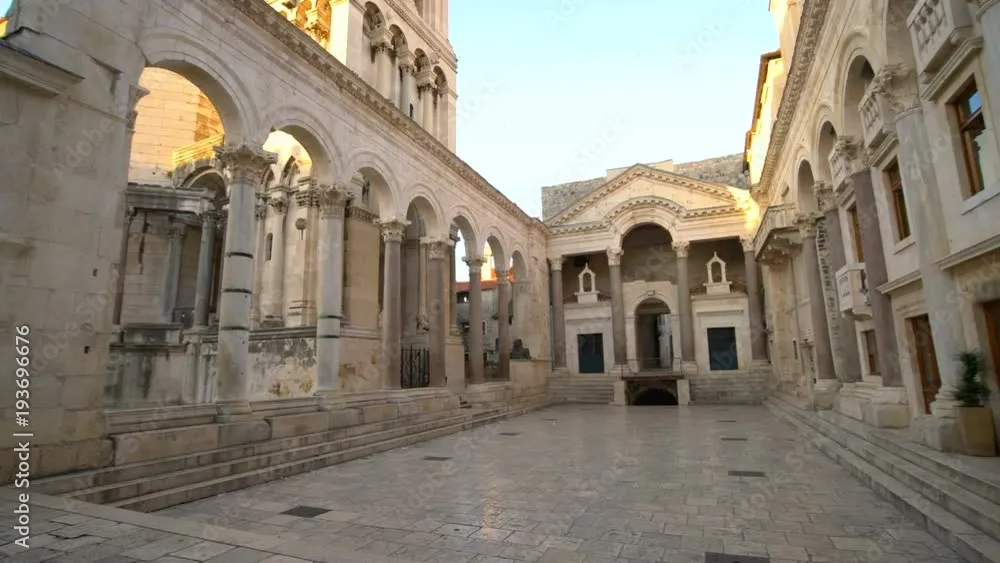 Photo: Diocletian, via as1.ftcdn.net
The baths still stand today, outlasting the Western Roman Empire by more than 1,500 years. This irony captures something essential about the relationship between monumental construction and political decline: the more spectacular the building projects, the more likely the civilization commissioning them is approaching its expiration date.
American political discourse has become obsessed with infrastructure in ways that would be familiar to any late imperial Roman. Democrats and Republicans compete to propose ever-larger spending packages for roads, bridges, broadband, and high-speed rail. The bipartisan consensus around infrastructure investment is so complete that questioning its wisdom has become politically unthinkable. Yet history suggests this unanimity should trigger alarm, not celebration.
The Psychology of Monumental Substitution
Why do struggling societies consistently choose construction over reform? The answer lies in the psychological appeal of physical solutions to political problems. Building something tangible provides immediate gratification and visible progress in ways that institutional reform cannot match. A new highway generates ribbon-cutting ceremonies and photo opportunities; restructuring a dysfunctional bureaucracy offers neither.
Moreover, construction projects create the illusion of addressing root causes while actually avoiding them. A society plagued by economic stagnation can convince itself that new infrastructure will restore growth. A government losing public trust can point to gleaming buildings as evidence of competent leadership. The physical permanence of monuments provides psychological comfort against the anxiety of institutional decay.
This dynamic explains why some of history's most impressive architectural achievements coincide with periods of civilizational stress rather than triumph. The Great Wall of China reached its current form during the Ming Dynasty's anxious final centuries, when Chinese leaders were desperately trying to wall out both foreign invaders and domestic problems they could no longer manage through effective governance.
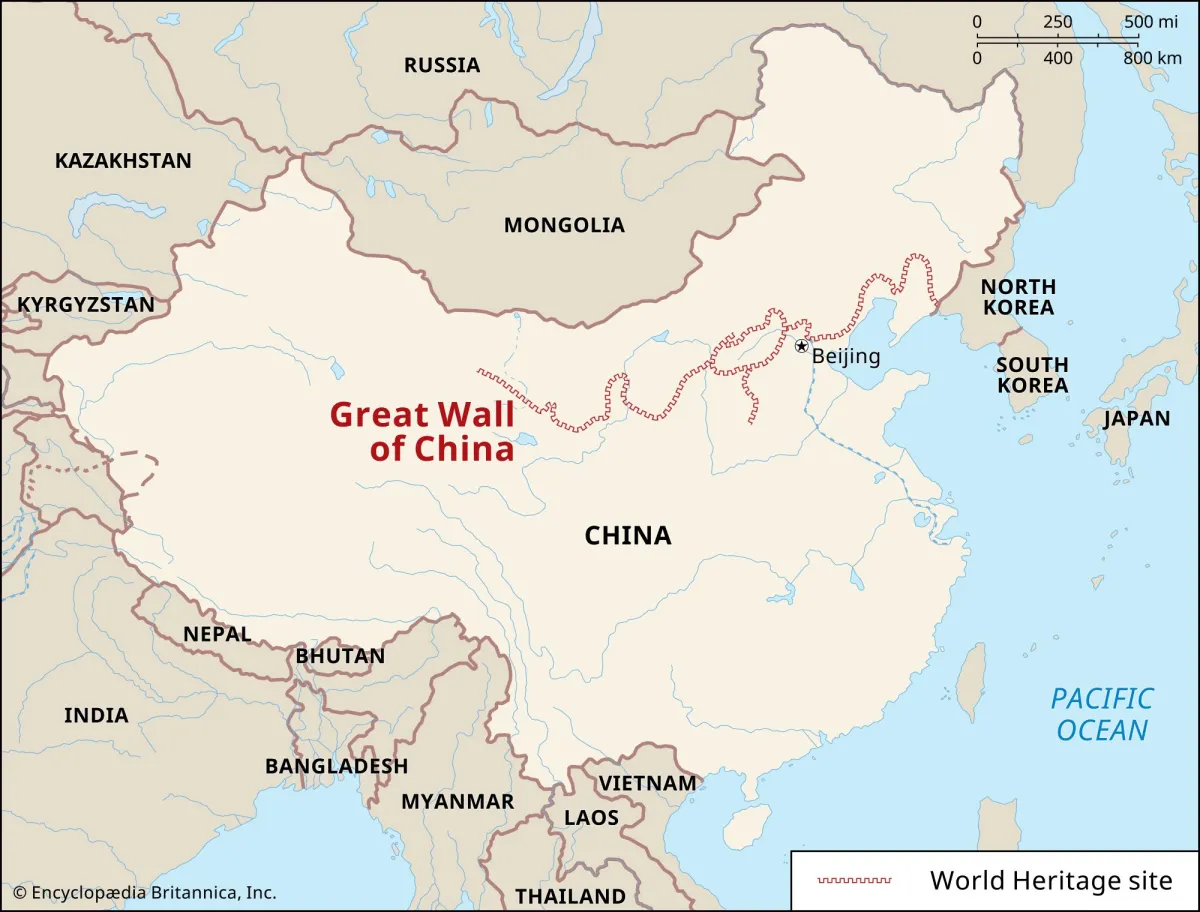 Photo: Great Wall of China, via cdn.britannica.com
Similarly, the Soviet Union's most ambitious construction projects—the Moscow Metro, the Bratsk Dam, the Baikal-Amur Railway—were conceived during periods when the system's fundamental contradictions were becoming undeniable to its own leaders. Stalin's metro stations, with their marble halls and chandeliered platforms, represented a kind of underground palace for a workers' state that was simultaneously starving millions of actual workers.
The New Deal's Cynical Architects
American infrastructure mythology traces its roots to the New Deal, but even that supposedly successful precedent reveals the problematic relationship between construction and governance. While programs like the WPA and CCC are remembered as examples of government competence, contemporary observers understood their political function differently.
Harry Hopkins, one of Roosevelt's key advisors, was remarkably candid about the electoral calculus behind public works spending: "We shall tax and tax, and spend and spend, and elect and elect." The comment reveals how construction projects served primarily as vote-buying mechanisms rather than economic development strategies.
This interpretation gains credibility when we examine the New Deal's actual economic impact. Despite massive infrastructure investment, unemployment remained above 14% throughout the 1930s, falling to normal levels only when World War II created genuine economic demand. The roads, bridges, and buildings provided political benefits to the Roosevelt administration, but they did not solve the underlying economic problems that justified their construction.
Contemporary infrastructure advocates rarely grapple with this historical record. Instead, they invoke a sanitized version of New Deal mythology that treats construction spending as an unqualified success while ignoring its limited economic impact and obvious political motivations.
The Roman Road to Nowhere
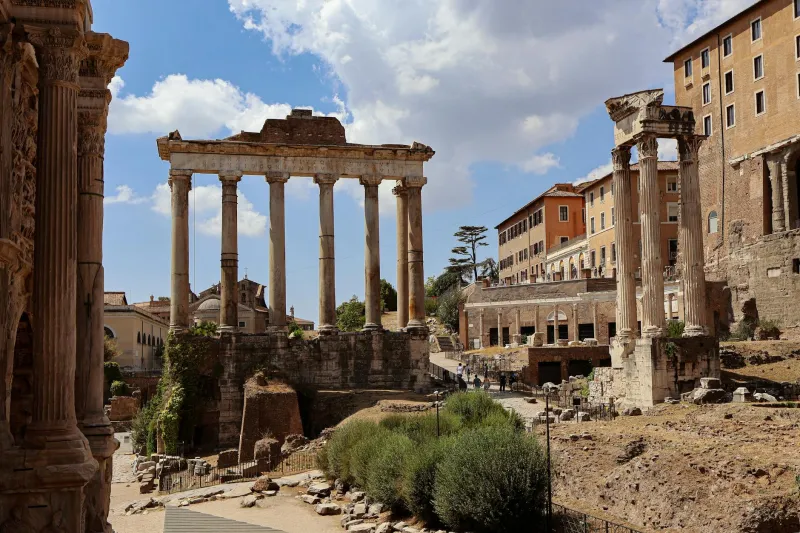
Roman infrastructure provides an even more sobering historical parallel. The empire's road network, aqueduct systems, and monumental architecture represent genuine engineering marvels that facilitated trade, governance, and cultural exchange across vast territories. Yet these same achievements coincided with—and may have contributed to—the empire's eventual collapse.
Roman construction projects required enormous resource mobilization that diverted wealth from productive economic activity toward prestigious but economically sterile monuments. The Colosseum employed thousands of workers and entertained hundreds of thousands of spectators, but it produced no goods, generated no exports, and contributed nothing to the empire's long-term economic health.
More problematically, Rome's infrastructure investments created fiscal obligations that persisted long after the political will to maintain them had disappeared. Aqueducts required constant maintenance, roads needed regular repair, and public buildings demanded ongoing staffing and upkeep. When the empire's tax base began shrinking in the third and fourth centuries, these infrastructure commitments became crushing financial burdens that accelerated rather than arrested imperial decline.
The American Infrastructure Trap
Contemporary American infrastructure policy exhibits troubling parallels to these historical patterns. The country already possesses the world's most extensive highway system, yet political leaders consistently identify inadequate roads as a primary obstacle to economic growth. This diagnosis conveniently avoids more difficult questions about regulatory burden, educational quality, or institutional dysfunction that might require politically costly reforms.
The bipartisan infrastructure obsession also reflects a fundamental misunderstanding of what drives modern economic development. Twenty-first-century prosperity depends more on human capital, institutional quality, and technological innovation than on physical infrastructure. South Korea transformed from a war-torn agricultural society into a developed economy in a single generation not by building better roads, but by investing in education, establishing property rights, and creating competitive markets.
Silicon Valley emerged as the world's technology capital despite California's notoriously poor infrastructure, not because of it. The region's success stems from cultural factors—risk tolerance, entrepreneurial networks, access to capital—that cannot be constructed by government contractors.
The Maintenance Crisis
Perhaps most ominously, American infrastructure advocates rarely acknowledge the long-term fiscal implications of their proposals. Every new highway, bridge, or rail line creates permanent maintenance obligations that will burden future budgets for decades. The American Society of Civil Engineers estimates that maintaining existing infrastructure will require $2.6 trillion over the next decade, yet political leaders continue proposing massive expansions to systems the country already cannot afford to maintain.
This dynamic mirrors the late Roman pattern of accumulating infrastructure obligations during periods of relative prosperity, then discovering that maintenance costs become unbearable when economic or political stress emerges. The interstate highway system, built during the prosperous 1950s and 1960s, now requires reconstruction at costs that dwarf the original investment, yet contemporary politicians respond by proposing even more ambitious projects.
Beyond the Monument Trap
Recognizing the historical pattern of monument politics does not mean rejecting all infrastructure investment. Well-designed transportation networks, communication systems, and public facilities provide genuine economic and social benefits. The problem emerges when construction becomes a substitute for governance, when building projects serve primarily political rather than economic functions, and when societies convince themselves that physical solutions can address institutional problems.
The most successful historical examples of infrastructure investment—the Dutch flood control systems, the German autobahn network, the Japanese bullet train system—emerged from societies with strong institutions, clear strategic vision, and realistic assessment of long-term costs. These projects succeeded because they complemented rather than substituted for effective governance.
American political leaders would serve the country better by focusing on institutional reforms that enhance economic productivity: regulatory streamlining, educational improvement, judicial efficiency, and bureaucratic accountability. These changes offer less dramatic photo opportunities than ribbon-cutting ceremonies, but they provide more durable foundations for long-term prosperity than any monument to political vanity.