The Arithmetic of Autocracy
Darius I of Persia faced a problem that would plague every subsequent autocrat: how to maintain power when power itself makes everyone around you either a threat or a target. His solution—the "Ten Thousand Immortals" guard unit with rotating leadership and divided loyalties—bought him thirty-six years of rule. But it also established the template for the paranoia spiral that has toppled every concentrated power structure since 522 BCE.
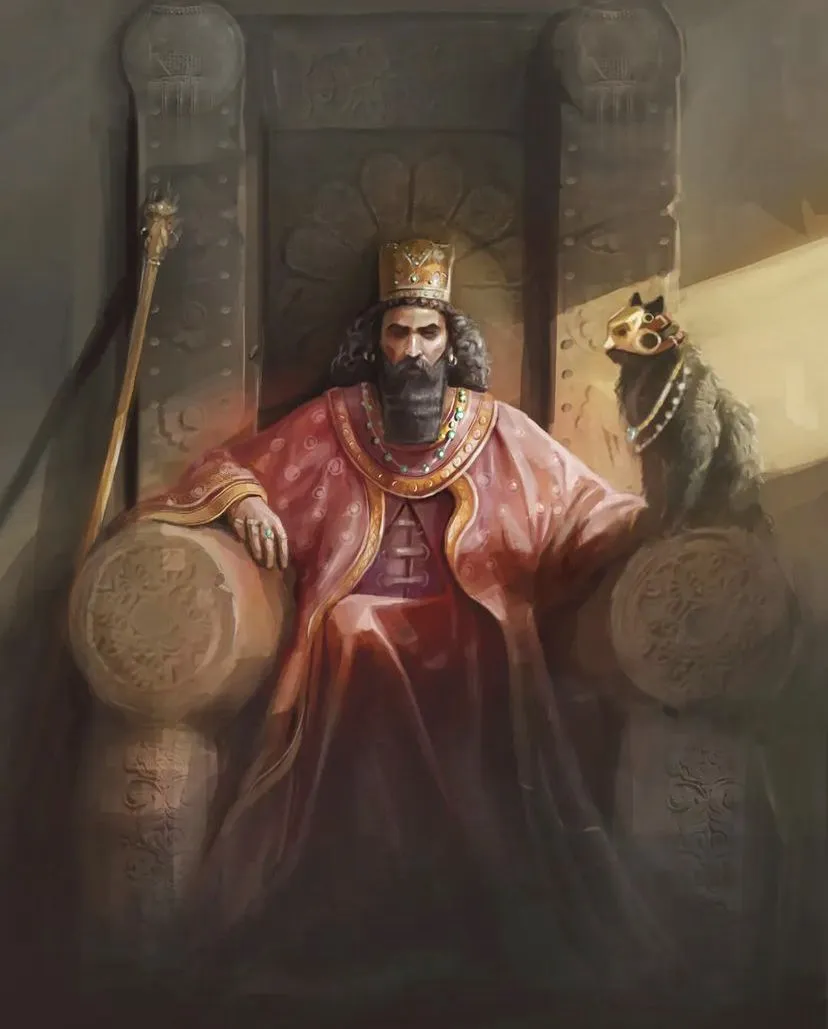 Photo: Darius I of Persia, via i.pinimg.com
The mathematics are deceptively simple. Each trusted advisor represents both an asset and a liability. Assets can be leveraged for competence and loyalty; liabilities must be managed through surveillance, division, or elimination. But every management action reduces the total pool of trusted personnel while increasing the fear and calculating behavior among survivors. The equation always resolves toward isolation.
The Renaissance Laboratory
Fifteenth-century Italian city-states provided ideal conditions for studying autocratic paranoia in controlled environments. Cesare Borgia's systematic elimination of potential rivals in the Romagna created temporary stability but left him vulnerable when his father Pope Alexander VI died unexpectedly. Without reliable allies, Borgia's empire collapsed within months.
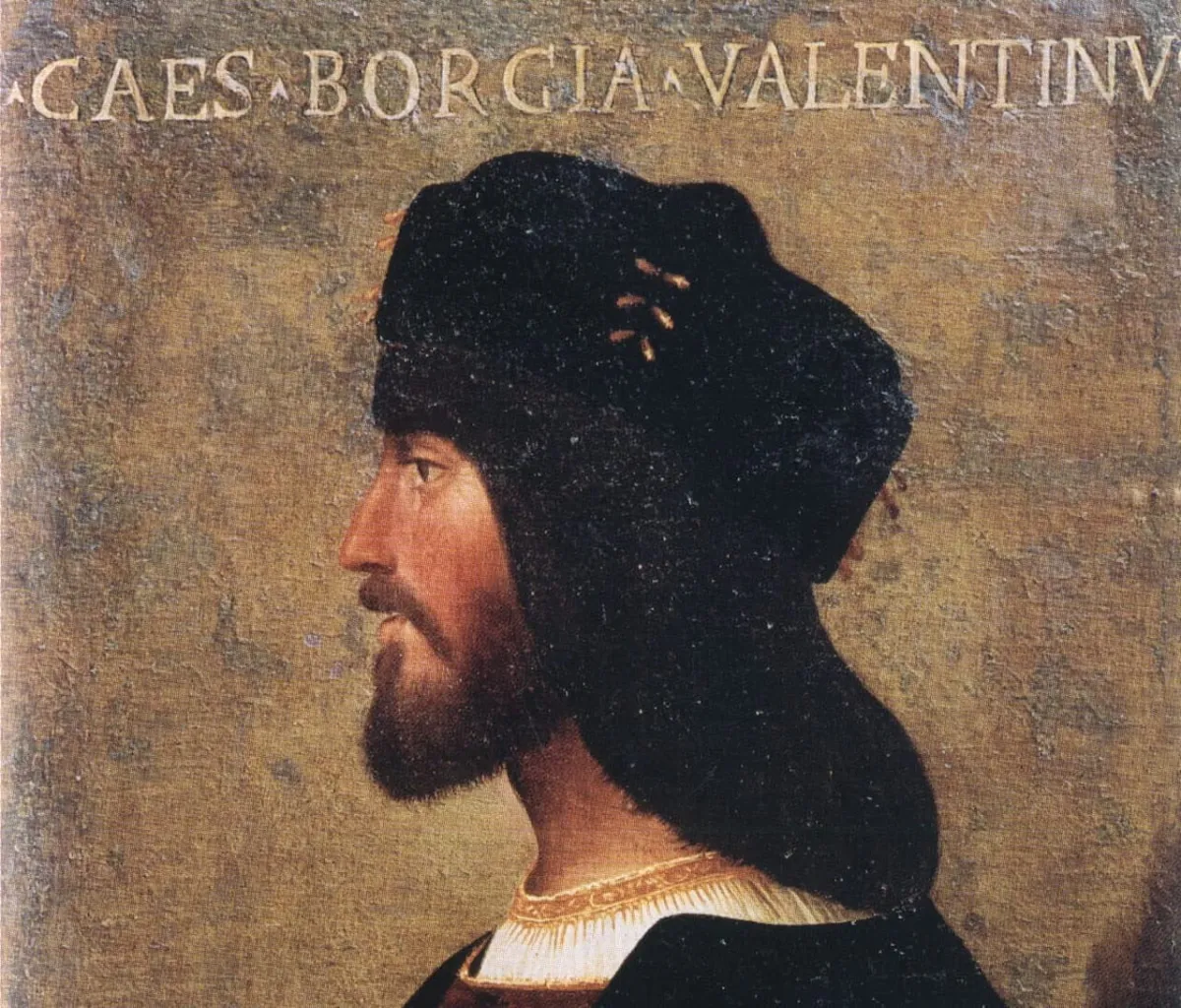 Photo: Cesare Borgia, via labrujulaverde.b-cdn.net
Francesco Sforza of Milan took a different approach, maintaining power through carefully balanced competing factions within his court. But his son Ludovico repeated the classic error—consolidating control by eliminating rivals until French invasion found him without sufficient domestic support to mount effective resistance. The pattern repeated across dozens of Italian principalities: short-term security measures created long-term vulnerabilities.
The Soviet Perfection
Stalin's purges of the 1930s represent the most systematic application of autocratic paranoia management in recorded history. Between 1936 and 1938, he eliminated approximately 750,000 Communist Party members, 90% of Soviet generals, and most of the original Bolshevik leadership. Each execution was rational from a short-term perspective—removing potential threats and demonstrating the costs of disloyalty.
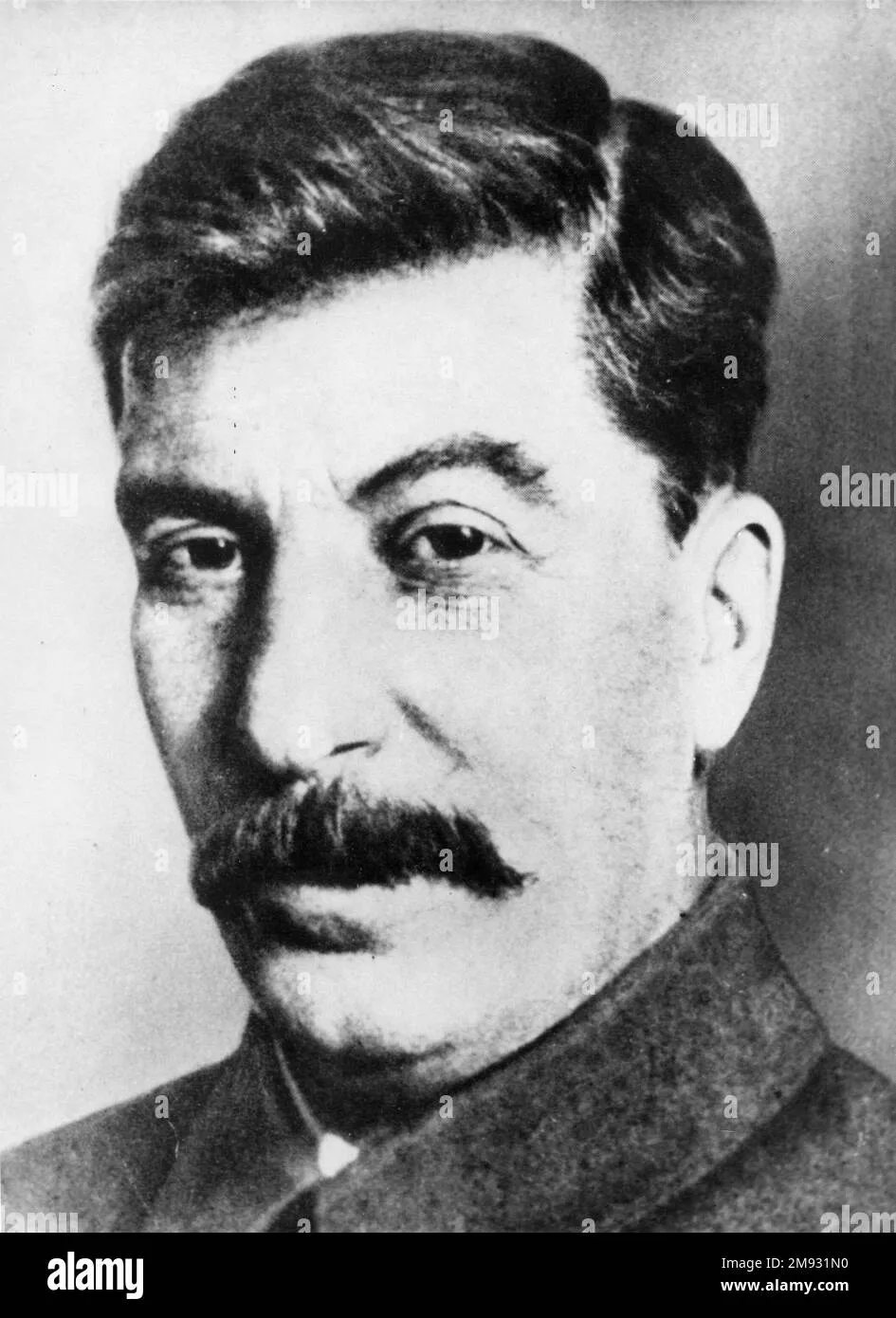 Photo: Stalin, via c8.alamy.com
But the purges created the exact conditions they were designed to prevent. By 1941, the Red Army was led by inexperienced officers terrified of initiative. Intelligence services provided information designed to please rather than inform. Economic planning became an exercise in wishful thinking as administrators learned that accuracy was more dangerous than optimism. The German invasion nearly succeeded precisely because Stalin's security measures had destroyed the Soviet Union's capacity for effective response.
The Competence Drain
Every loyalty purge faces the same trade-off: removing threats also removes competence. Skilled administrators, successful generals, and effective intelligence chiefs become dangerous precisely because their capabilities make them credible alternatives to current leadership. But eliminating them leaves only the incompetent and the sycophantic.
This creates a feedback loop where declining performance increases the leader's sense of vulnerability, justifying further purges that accelerate the competence drain. Saddam Hussein's repeated elimination of successful military commanders left Iraq's forces led by relatives and loyalists whose primary qualification was political reliability rather than tactical skill. The pattern held from ancient Assyria to modern Zimbabwe.
The Information Paradox
Autocrats require accurate information to make effective decisions, but autocratic systems systematically destroy the mechanisms that provide it. Subordinates learn that bearing bad news is career suicide, so they optimize their reports for leader psychology rather than factual accuracy. This creates an information bubble where the autocrat becomes increasingly disconnected from reality.
The problem compounds as the inner circle shrinks. Fewer advisors mean fewer information sources, increasing the leader's dependence on each remaining source while simultaneously making those sources more dangerous. The mathematical endpoint is complete isolation—perfect security and perfect ignorance achieved simultaneously.
Modern Variations
Twenty-first-century autocrats face the same fundamental equation with some technological modifications. Digital surveillance can extend monitoring capabilities, but it also increases the number of people with access to compromising information. Social media provides new channels for opposition organization but also new tools for regime propaganda.
Vladimir Putin's systematic elimination of potential rivals—from oligarchs to opposition politicians to military commanders—follows the classical pattern. Each removal increases short-term security while reducing the regime's overall competence and adaptability. The 2022 invasion of Ukraine revealed the predictable results: military leadership chosen for loyalty rather than skill, intelligence services telling leaders what they wanted to hear, and economic advisors afraid to deliver accurate assessments of Western sanctions' impact.
The Inescapable Mathematics
The loyalty trap persists because it emerges from structural rather than personal factors. Even autocrats who understand the historical pattern face the same immediate incentives that drove their predecessors' decisions. Potential rivals must be managed, competent subordinates pose inherent threats, and accurate information often suggests uncomfortable policy changes.
The mathematical progression toward isolation and incompetence isn't a bug in autocratic systems—it's their defining feature. Concentrated power creates concentrated vulnerability, and every measure taken to reduce that vulnerability ultimately increases it. This explains why autocracies, despite their apparent strength, remain statistically more fragile than democratic systems over extended time periods.
The paranoia equation has solved itself the same way for over two millennia. The only variable is how long each iteration takes to reach its inevitable conclusion.