The Ahistorical Anxiety Industry
American political discourse has become dominated by a single narrative: our current polarization is unprecedented, democracy is dying, and civil war looms. This assessment would be more convincing if it weren't identical to claims made during every significant political realignment in recorded history. The polarization panic reveals less about our current moment than about our collective historical illiteracy.
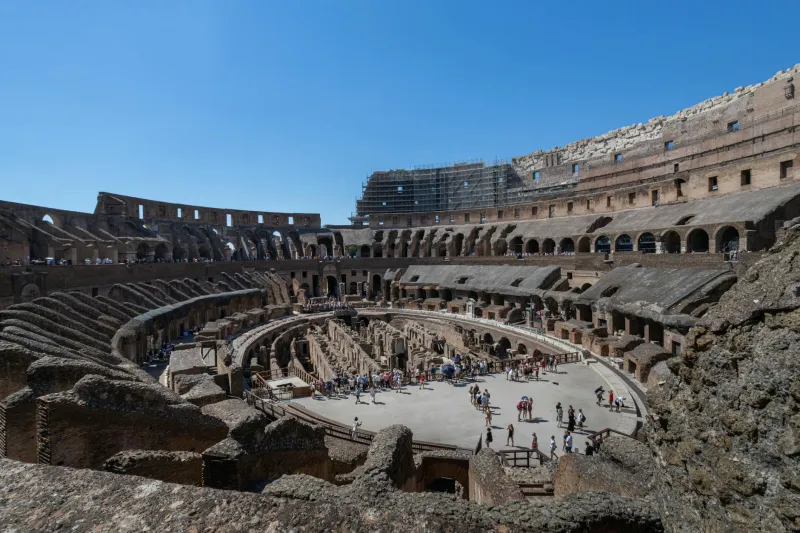
The Roman Republic spent its final century in what contemporary observers described as terminal crisis. Senators carried weapons to legislative sessions. Political opponents were assassinated in broad daylight. Armed gangs controlled streets while demagogues promised radical solutions to systemic problems. Yet many of these same "crisis" decades produced Rome's greatest territorial expansion, architectural achievements, and cultural flowering. The dysfunction wasn't a sign of collapse—it was the sound of political institutions adapting to imperial scale.
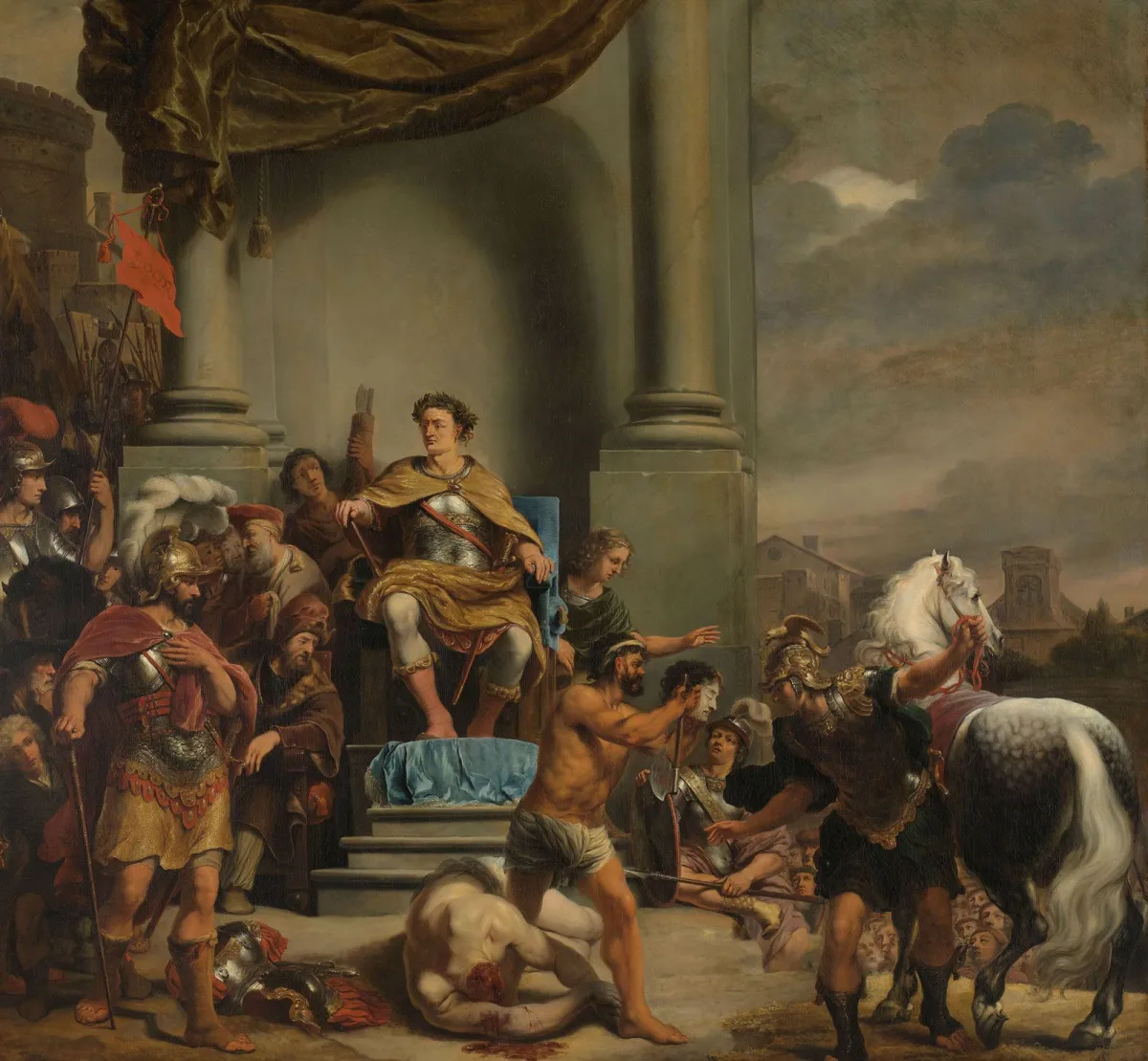 Photo: Roman Republic, via cdn.britannica.com
The Jacksonian Precedent
America's supposed golden age of political civility is largely mythological. The 1824 election produced accusations of "corrupt bargains" that delegitimized John Quincy Adams's entire presidency. The 1828 campaign featured unprecedented personal attacks, with Andrew Jackson's opponents calling his wife a bigamist and Jackson's supporters accusing Adams of being a pimp and gambler.
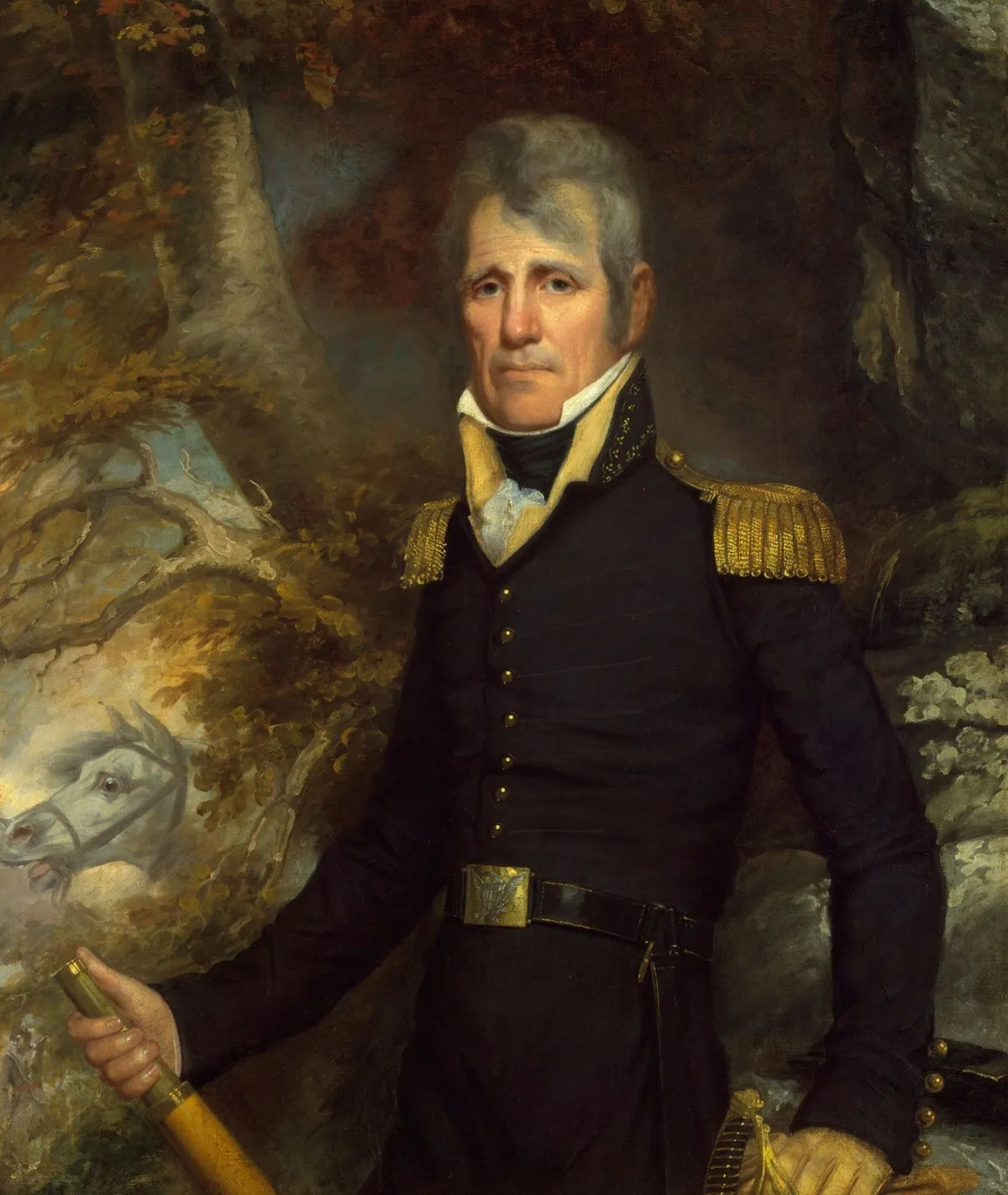 Photo: Andrew Jackson, via cdn.britannica.com
Contemporary observers predicted the end of republican government. Justice Joseph Story wrote that "the reign of King Mob seemed triumphant." Former President John Adams declared that democracy had proven itself "the most ignoble, unjust, and detestable form of government." Yet the Jacksonian era, far from destroying American democracy, expanded it to include previously excluded populations and established party systems that functioned for generations.
Gilded Age "Crisis"
The late 19th century provides another example of supposed democratic breakdown that actually represented institutional evolution. The 1876 election required a special commission to determine the winner. Labor strikes paralyzed entire regions. Anarchist bombings terrorized cities. Political corruption reached levels that make contemporary complaints seem quaint.
Yet this same period saw massive infrastructure development, unprecedented economic growth, and the integration of millions of immigrants into American society. The "crisis" was actually the growing pains of a continental democracy learning to govern an industrial economy. The polarization wasn't pathology—it was the friction generated by competing visions of America's future working themselves out through democratic processes.
Weimar Warnings and False Analogies
The most common historical analogy for contemporary American polarization is Weimar Germany, but this comparison reveals the analytical poverty of polarization panic. Weimar collapsed not because of political disagreement but because of structural factors absent in contemporary America: hyperinflation that destroyed middle-class savings, paramilitary organizations with hundreds of thousands of armed members, and a constitutional system that allowed minority parties to form governments.
 Photo: Weimar Germany, via www.pizzatravel.com.ua
American political institutions, for all their flaws, remain fundamentally stable. Elections occur on schedule with results accepted by losing parties. Military leaders publicly affirm civilian control. Economic institutions function despite political disagreement. The comparison to Weimar is historically illiterate fear-mongering that obscures rather than illuminates our actual challenges.
The Structural vs. Rhetorical Distinction
Genuine democratic breakdown has identifiable structural characteristics: military coups, cancelled elections, mass political violence, economic collapse, or foreign invasion. Rhetorical polarization—angry tweets, partisan media, uncivil discourse—appears in every democracy throughout history and has little predictive value for institutional collapse.
The current American focus on rhetorical rather than structural indicators reflects a fundamental misunderstanding of how democracies actually fail. Weimar politicians were extraordinarily civil to each other even as paramilitary forces battled in the streets. Venezuelan democracy collapsed despite maintaining electoral processes. Russian democracy died through legal mechanisms while preserving the appearance of political competition.
The Realignment Pattern
What contemporary observers interpret as unprecedented polarization more likely represents normal realignment friction. American politics has experienced several major realignments—the Jeffersonian revolution of 1800, Jacksonian democracy, the Civil War and Reconstruction, the Progressive Era, the New Deal, and the Reagan revolution. Each involved intense political conflict, institutional stress, and predictions of democratic collapse.
Yet each realignment ultimately produced new governing coalitions capable of addressing contemporary challenges. The current period likely represents another such transition, with existing party coalitions proving inadequate to address 21st-century problems while new alignments remain incomplete. The friction isn't pathological—it's functional.
The Comfortable Lie of Unprecedented Crisis
The polarization panic serves psychological rather than analytical functions. Believing our moment is uniquely dangerous makes us feel uniquely important. It justifies extreme measures and apocalyptic rhetoric. It transforms ordinary political disagreement into cosmic struggle between good and evil.
But this comfortable lie prevents clear thinking about actual challenges. Energy spent lamenting Twitter discourse could address infrastructure decay, educational stagnation, or economic inequality. The polarization panic has become a substitute for serious policy debate—a way to feel engaged with politics while avoiding the hard work of governing.
Historical Perspective as Democratic Virtue
Republican government has always been messy, contentious, and uncomfortable. The alternative to political conflict isn't harmony—it's tyranny. Societies where everyone agrees on fundamental questions are societies where dissent has been suppressed, not societies where problems have been solved.
American democracy's strength has never been its civility but its capacity to channel disagreement into productive institutional change. The current moment may feel unprecedented, but that's because every significant political transition feels unprecedented to those living through it. History suggests our institutions are more resilient than our rhetoric implies—and that the real danger lies not in too much democracy but in too little faith in democratic processes.
The polarization panic is historically illiterate, analytically useless, and democratically corrosive. It's time to stop indulging in apocalyptic fantasies and start doing the unglamorous work of self-government.