The Mathematics of Distraction
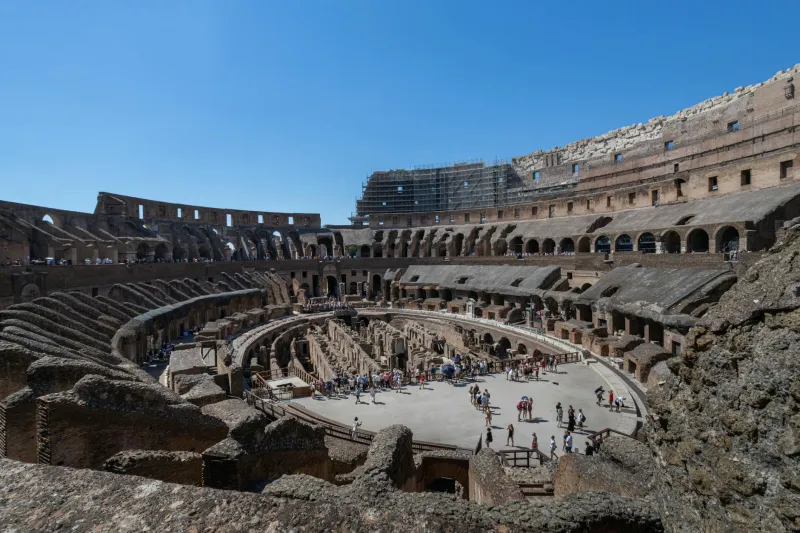
In 264 BCE, as Rome's territorial expansion strained its traditional governing institutions, the first recorded gladiatorial games were held in the Forum Boarium. By 50 BCE, Julius Caesar was staging elaborate spectacles featuring 320 pairs of gladiators, exotic animal hunts, and mock naval battles that flooded specially constructed arenas. The progression wasn't accidental—it was algorithmic.
Every declining power eventually discovers the same cost-benefit analysis: genuine reform threatens existing power structures and requires painful resource reallocation, while spectacle provides immediate social pressure relief at a fraction of the political cost. The bread and circuses model isn't cynical manipulation—it's a rational response to incentive structures that haven't changed in five thousand years.
The Byzantine Refinement
By the 6th century CE, Constantinople had perfected what Rome had pioneered. The Hippodrome's chariot racing factions—the Blues and Greens—became sophisticated political organizations that channeled popular discontent into ritualized competition. Emperor Justinian could spend fortunes on racing spectacles while delaying military pay, because the former bought social stability while the latter merely bought competence.
The Nika Riots of 532 CE revealed both the power and limitations of the spectacle strategy. When economic pressures finally overwhelmed entertainment's palliative effects, the same crowds that had cheered chariot races nearly burned the capital. But even this catastrophic failure didn't invalidate the model—it simply demonstrated that spectacle, like any drug, requires ever-increasing doses to maintain effectiveness.
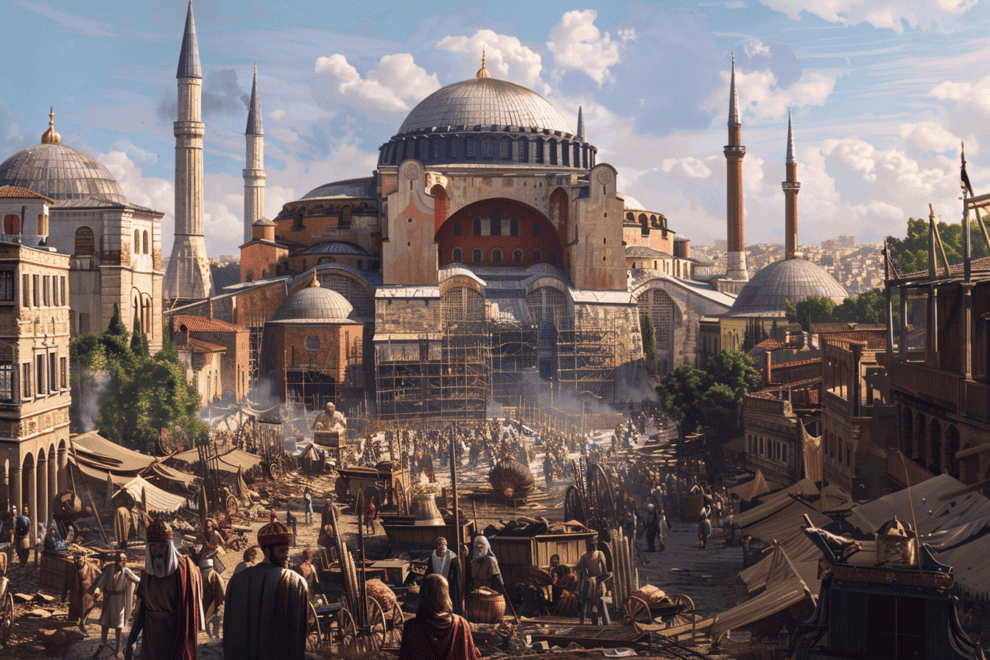 Photo: Nika Riots, via historyexplained.org
The American Iteration
Modern America has industrialized the spectacle economy to unprecedented levels. Municipal governments routinely approve hundred-million-dollar stadium subsidies while claiming budget constraints prevent infrastructure investment. Streaming platforms receive tax incentives worth billions while public transit systems decay. The pattern mirrors Rome's progression from simple gladiatorial contests to elaborate mythological reenactments—each iteration more expensive and elaborate than the last.
The National Football League alone generates over $15 billion annually in public subsidies through stadium deals, tax breaks, and infrastructure spending. Meanwhile, the American Society of Civil Engineers estimates a $2.6 trillion infrastructure investment gap. The mathematics are identical to those facing every previous declining power: spectacle is politically feasible, reform is politically dangerous.
Why It Always Works (Until It Doesn't)
The spectacle strategy succeeds because it addresses the psychological rather than material roots of political instability. Human beings require narrative coherence and tribal belonging more than they require functional infrastructure—at least in the short term. A successful sports team or compelling entertainment franchise provides both community identity and emotional catharsis without threatening existing power arrangements.
This explains why authoritarian regimes invest heavily in Olympic Games, World Cups, and grand architectural projects while neglecting basic governance functions. The spectacle serves multiple functions: it demonstrates state capacity, provides national pride, and most importantly, consumes the mental bandwidth that might otherwise focus on systemic failures.
The Inevitable Collapse Point
But spectacle strategies contain their own termination conditions. As material conditions deteriorate, the gap between entertainment-induced euphoria and daily reality becomes increasingly difficult to maintain. The Roman Empire's final centuries saw ever more elaborate games even as barbarian tribes crossed the frontiers with impunity. The Byzantine Empire staged chariot races while Turkish armies approached Constantinople's walls.
The collapse point arrives when the cost of maintaining spectacle exceeds its political benefits, or when external pressures make the underlying systemic problems impossible to ignore. At that point, the same populations that cheered in the amphitheaters become the crowds that storm the palaces.
The Modern Warning Signs
Contemporary America exhibits both the mature spectacle economy and its characteristic warning signs. Entertainment spending continues to grow while infrastructure crumbles, educational outcomes stagnate, and social mobility declines. The response to each crisis is more spectacle—larger stadiums, more streaming content, increasingly elaborate halftime shows.
The pattern suggests we're following the same trajectory as every previous spectacle economy. The question isn't whether this approach will eventually fail—historical precedent makes that outcome inevitable. The question is whether American institutions retain enough flexibility to change course before reaching the collapse point that destroyed their predecessors.
The bread and circuses model has a perfect failure rate across five millennia. Every society that chose spectacle over reform eventually faced the same choice their entertainment was designed to avoid: fundamental change or systemic collapse. The mathematics haven't changed—only the scale of the amphitheater.