The Tribal Mirror: How Perfect Political Predictability Signals Democratic Collapse

The Illusion of Division
American political discourse obsesses over polarization, but five thousand years of historical data suggest we're diagnosing the wrong disease. Healthy democracies have always featured intense disagreements—the Roman Republic thrived on factional conflict for centuries, and early American politics included literal duels between political opponents. What distinguished functional democratic systems from failing ones wasn't the absence of division but the presence of cross-cutting cleavages that prevented political identities from hardening into permanent tribal categories.
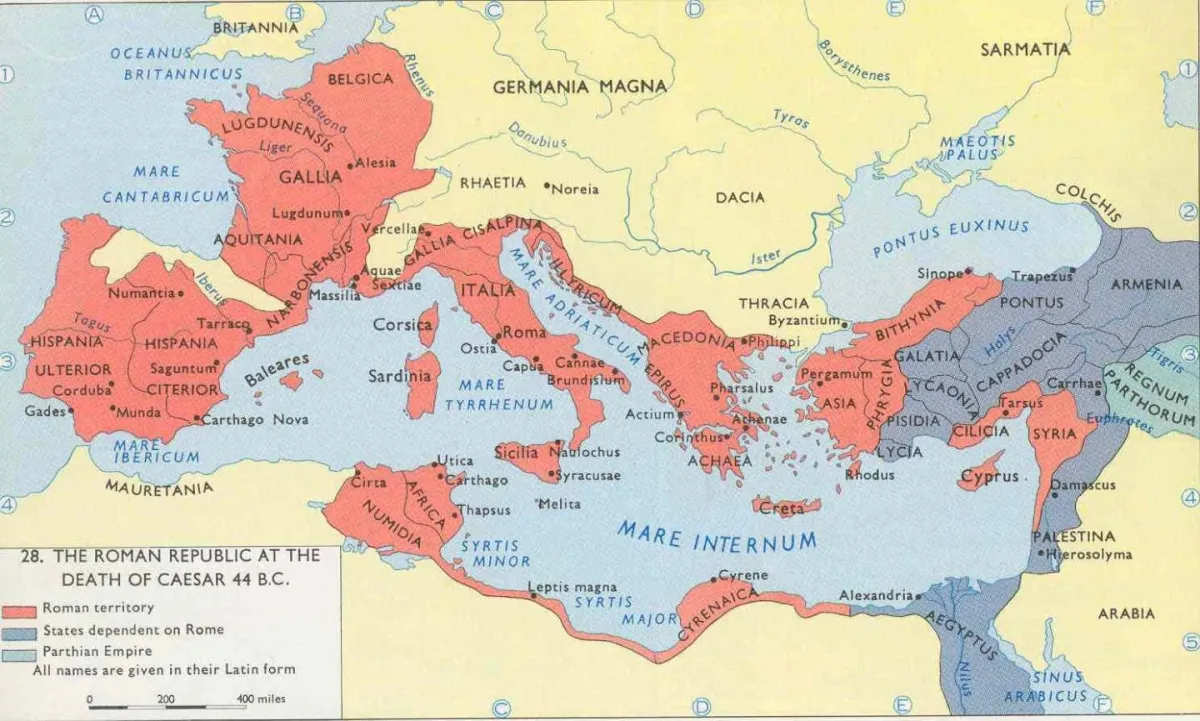 Photo: Roman Republic, via assets.sutori.com
The genuinely alarming development in contemporary American politics isn't that people disagree—it's that disagreement has become perfectly predictable. Show me someone's position on climate change, and I can predict their views on gun control, abortion, immigration, and tax policy with remarkable accuracy. This level of ideological consistency across unrelated policy domains is historically unusual and politically dangerous.
When Athens Lost Its Crosscurrents
Athenian democracy provides the clearest historical parallel to America's current trajectory. For most of its democratic period, Athenian politics featured multiple overlapping divisions: aristocrats versus democrats, urban versus rural interests, maritime versus agricultural economies, and various personal and familial rivalries. Citizens might align with aristocratic parties on some issues while supporting democratic policies on others. These cross-cutting cleavages prevented any single division from becoming absolute.
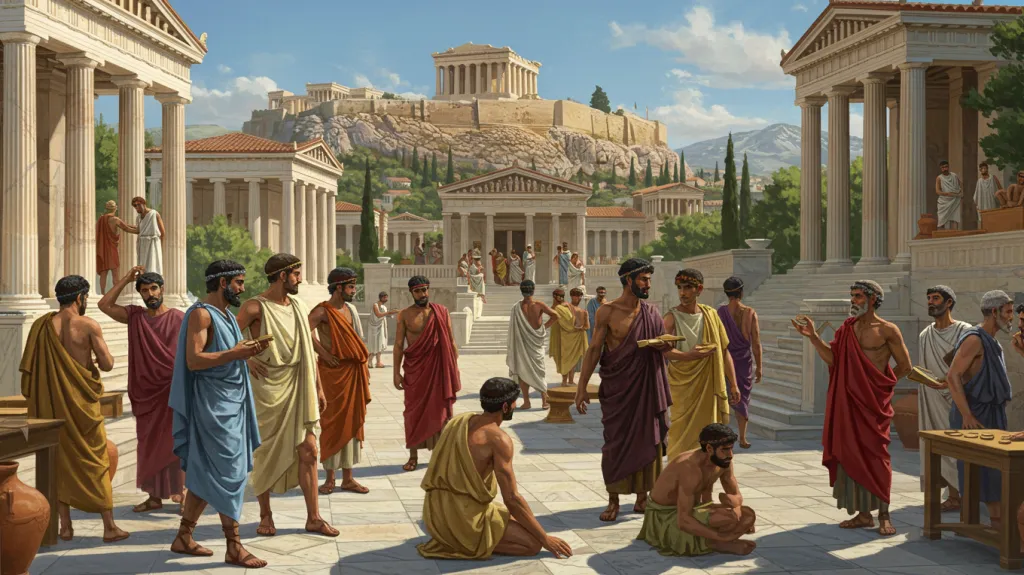 Photo: Athenian democracy, via gertitashkomd.com
The system began breaking down during the Peloponnesian War when external pressure forced every political question into a single framework: pro-Spartan versus pro-Athenian loyalty. Citizens who had previously formed shifting coalitions on different issues suddenly found themselves locked into permanent camps. Political identity became tribal identity, making compromise impossible and violence inevitable.
The transformation wasn't immediate—it took decades for cross-cutting cleavages to collapse completely. But once Athenian politics became perfectly predictable along a single axis, democratic deliberation became impossible. Citizens stopped debating policy merits and started questioning opponents' fundamental loyalty to the city. Democracy survived in form but died in function.
The Technology of Tribal Sorting
Modern information technology has accelerated the collapse of cross-cutting cleavages in ways that ancient societies couldn't imagine. Social media algorithms optimize for engagement, which means amplifying content that generates strong emotional reactions. This creates powerful incentives for political entrepreneurs to package unrelated issues into comprehensive worldviews that maximize tribal identification.
The result is unprecedented ideological consistency across policy domains that have no logical connection. There's no inherent reason why positions on climate science should correlate with views on gun regulation or why immigration policy should align with tax preferences. These connections exist because information systems reward political entrepreneurs who can bundle disparate issues into tribal packages that generate maximum loyalty and engagement.
Historical democracies avoided this trap because information transmission was slower and less centralized. Citizens received political information from multiple sources with different interests and perspectives. A Roman citizen might hear agricultural policy discussed by rural landowners, military policy debated by urban veterans, and religious issues addressed by various priestly colleges. This information diversity made it difficult for any single political identity to dominate all others.
The Weimar Warning
The collapse of the Weimar Republic offers the most instructive modern parallel to American political development. Early Weimar politics featured multiple parties representing different combinations of class, regional, religious, and economic interests. Catholics might vote for the Center Party on social issues while supporting Social Democrats on economic policy. Regional parties competed with national organizations. Conservative voters split between multiple right-wing factions with different priorities.
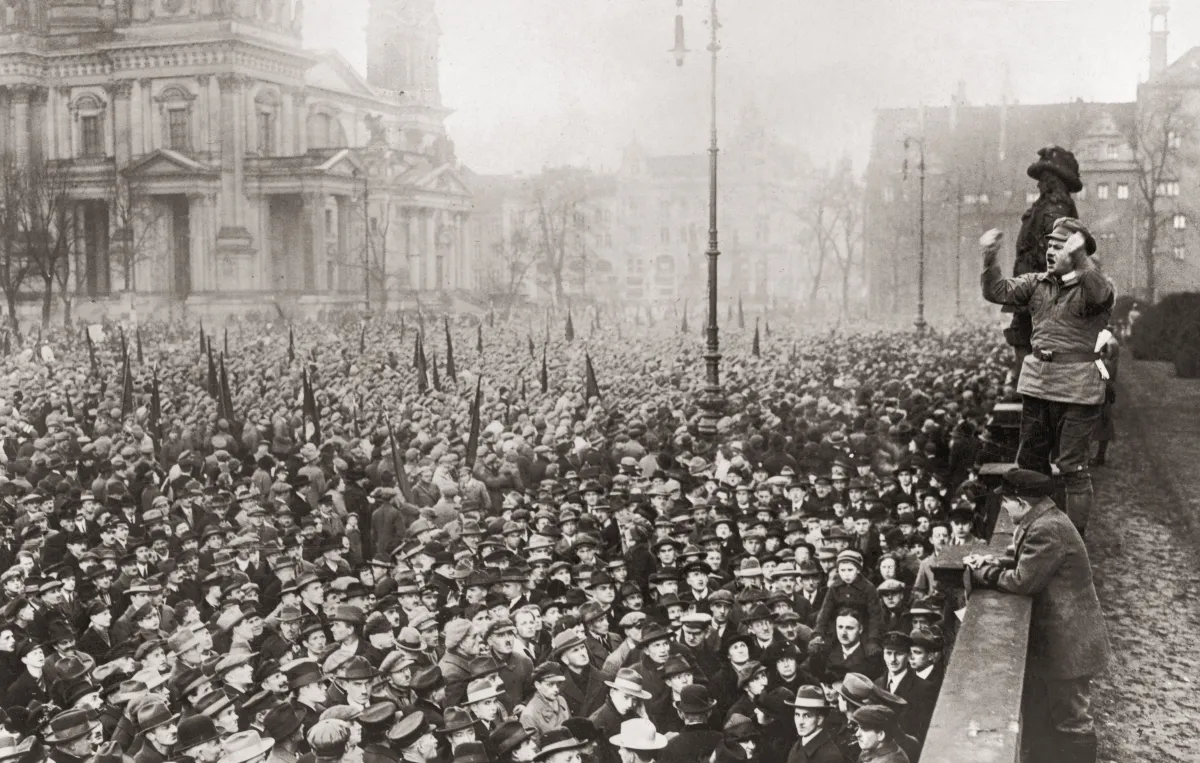 Photo: Weimar Republic, via www.thoughtco.com
This complexity frustrated political entrepreneurs who wanted to build large, stable coalitions. The Nazi Party's innovation was creating a comprehensive ideology that eliminated cross-cutting cleavages by subsuming all political questions into a single framework of racial nationalism. Citizens no longer needed to think about trade policy, agricultural subsidies, or municipal governance as separate issues—everything became part of the struggle between Aryan and non-Aryan interests.
Once this ideological package gained traction, German politics became perfectly predictable. Citizens' positions on any issue could be determined by their stance on racial nationalism. This predictability didn't create stability—it destroyed the possibility of democratic compromise by making every political question an existential battle between incompatible worldviews.
The American Acceleration
Contemporary American politics exhibits similar dynamics but with technological acceleration that compressed Weimar's decade-long transition into a much shorter timeframe. Cable television began the process by creating ideologically consistent information environments, but social media completed it by allowing citizens to self-select into perfectly curated echo chambers.
The result is political predictability that would have seemed impossible to previous generations. Knowing someone's position on transgender rights allows accurate prediction of their views on foreign policy, environmental regulation, and monetary policy. These connections aren't based on logical relationships between issues but on tribal packaging that maximizes in-group loyalty and out-group hostility.
This predictability extends beyond policy positions to cultural preferences, geographic location, and consumption choices. Political identity now correlates with everything from beverage preferences to entertainment choices to retail shopping patterns. Citizens inhabit separate economic and cultural ecosystems that reinforce tribal boundaries through every aspect of daily life.
The Democracy Requirement
Democratic government requires citizens who can disagree on specific issues while maintaining shared commitment to democratic processes. This becomes impossible when political identity becomes tribal identity because tribal conflicts are zero-sum competitions for group survival. You can compromise with political opponents who share your fundamental values but disagree on policy details. You cannot compromise with tribal enemies whose very existence threatens your group's survival.
Historical democracies maintained this distinction through cross-cutting cleavages that prevented any single political division from becoming absolute. Citizens who opposed each other on economic policy might align on foreign affairs or religious questions. These overlapping relationships created multiple incentives for maintaining democratic norms even during intense political conflict.
When cross-cutting cleavages collapse, citizens lose these incentives for democratic restraint. Political opponents become existential threats rather than fellow citizens with different policy preferences. Democratic institutions survive initially through institutional momentum, but they lose legitimacy once citizens view them as weapons in tribal warfare rather than neutral mechanisms for resolving policy disputes.
The Historical Pattern
Every democracy that has collapsed followed a similar trajectory: external pressure or internal change eliminated cross-cutting cleavages, political identity became tribal identity, and democratic institutions lost legitimacy among citizens who viewed them as tools for tribal domination rather than neutral arbiters of policy disputes.
The Roman Republic collapsed when civil wars forced every political question into the framework of personal loyalty to competing generals. The Weimar Republic fell when economic crisis allowed radical movements to subsume all political questions into comprehensive ideological packages. Venezuela's democracy died when Hugo Chavez successfully framed every issue as part of the struggle between socialist revolution and oligarchic reaction.
American democracy faces the same challenge but with technological amplification that makes cross-cutting cleavages harder to maintain and tribal sorting easier to accomplish. The question isn't whether Americans disagree—healthy democracies require disagreement. The question is whether Americans can maintain the kind of complex, overlapping political identities that make democratic compromise possible.
The historical evidence suggests that once political predictability reaches current American levels, democratic institutions become impossible to sustain regardless of their formal constitutional protections. The tribal mirror reflects not just political preferences but the death of democratic culture itself.