The Architects of Victory, The Casualties of Peace: Why Power Always Discards Its Builders
The Gratitude Gap
In 27 BCE, Augustus Caesar had a problem. The same military commanders who had secured his victory over Mark Antony possessed the skills, loyalty networks, and battlefield credibility that could theoretically unseat him. Within a decade, most were dead, exiled, or stripped of meaningful influence. This wasn't personal vindictiveness—it was structural necessity.
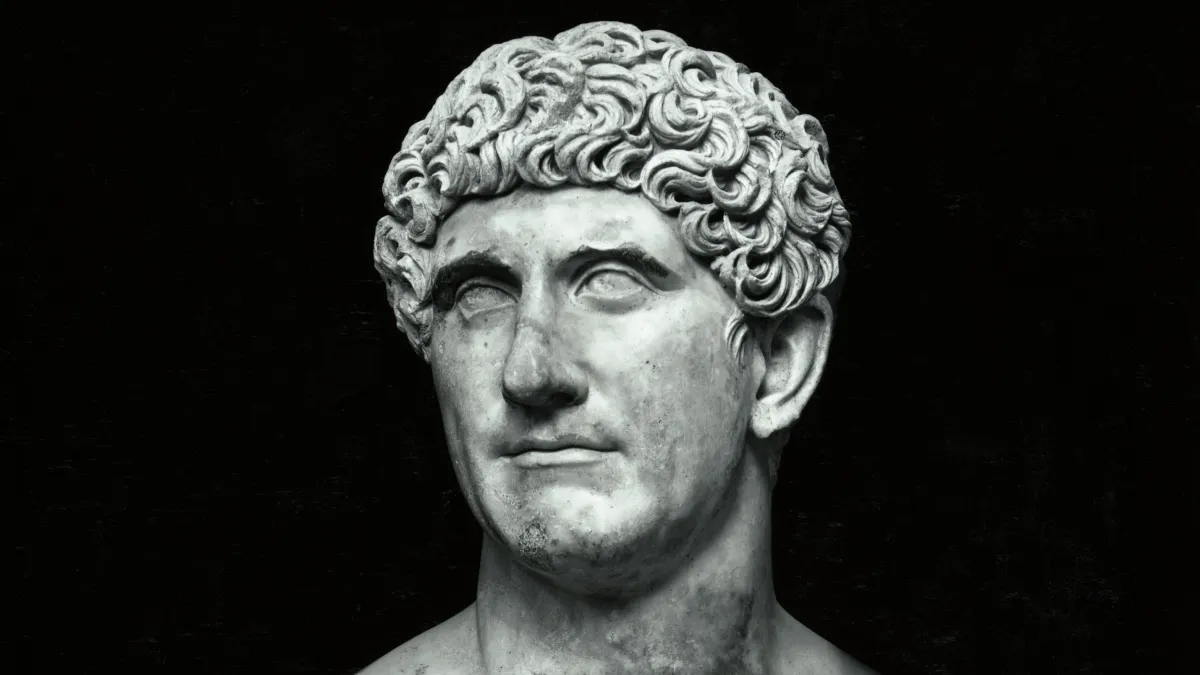 Photo: Mark Antony, via assets.editorial.aetnd.com
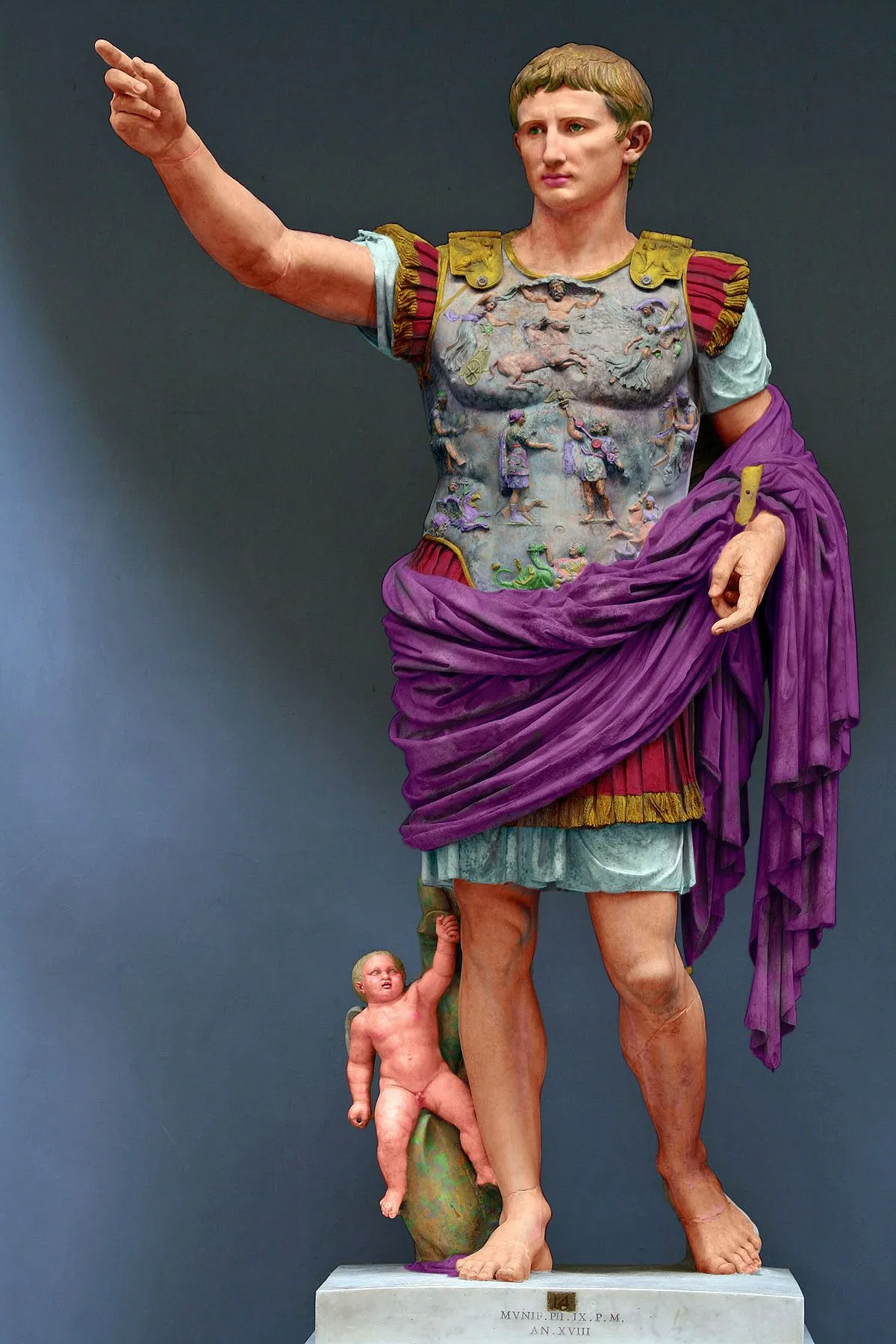 Photo: Augustus Caesar, via i.pinimg.com
Five thousand years of recorded history demonstrate that successful power consolidation follows a predictable sequence: crisis mobilizes talent, talent delivers victory, and victory makes that same talent expendable. The psychological mechanism driving this pattern hasn't changed since the first agricultural settlements began selecting leaders.
The Architecture Problem
Consider the cognitive burden of gratitude. Modern psychological research confirms what ancient rulers intuited: humans struggle to maintain feelings of indebtedness over extended periods. The brain's threat-detection systems, evolved for immediate survival challenges, interpret ongoing dependency as vulnerability. A leader who owes his position to others experiences that debt as a perpetual stress signal.
This explains why Augustus systematically marginalized Agrippa, his most capable general, despite owing him multiple military victories. It illuminates why Franklin Roosevelt gradually sidelined the New Deal architects who had rescued his presidency. It predicts why tech founders routinely push out early employees who "know where the bodies are buried."
The pattern transcends individual psychology. Organizations that successfully navigate existential crises require different skill sets than those that manage stable operations. Crisis leaders excel at improvisation, risk tolerance, and rapid coalition-building. Stability leaders prioritize predictability, hierarchy maintenance, and incremental optimization. These competencies rarely coexist in the same person.
The Coalition Lifecycle
Historical analysis reveals that winning coalitions follow a four-stage lifecycle. First comes the emergency assembly phase, where diverse talents unite around survival needs. Second arrives the victory consolidation phase, where the coalition delivers its primary objective. Third emerges the stability transition phase, where new priorities clash with old methods. Finally comes the architect elimination phase, where founding members become impediments to institutional development.
The Roman Republic's century-long collapse began when traditional crisis management mechanisms—temporary dictatorships, emergency senatorial decrees—became permanent features. The men who had saved Rome repeatedly found themselves recast as threats to the very system they had preserved.
Modern corporate governance exhibits identical dynamics. Startup founding teams rarely survive the transition to public company management. The improvisational decision-making that enables rapid growth becomes a liability when shareholders demand predictable quarterly performance. Board members who celebrated founder creativity during the growth phase suddenly discover it represents "governance risk."
The Loyalty Paradox
The most psychologically brutal aspect of this pattern involves loyalty itself. The architects of victory typically maintain fierce dedication to the leaders and institutions they helped create. This loyalty becomes a vulnerability that successors exploit. Grateful subordinates represent both a moral burden and a political threat—they know too much, expect too much, and constrain too much.
Napoleon's treatment of his marshals illustrates this paradox perfectly. The generals who had conquered Europe for him possessed detailed knowledge of his tactical weaknesses, strategic miscalculations, and personal limitations. Their continued presence reminded everyone—including Napoleon himself—that his victories had required collaborative effort. Systematic marginalization became inevitable.
 Photo: Napoleon, via img.freepik.com
American political machines demonstrate the same pattern. The ward bosses and union leaders who deliver crucial primary victories rarely receive meaningful roles in general election campaigns, much less administrative positions. Their methods, connections, and knowledge represent both assets and liabilities that successful candidates prefer to compartmentalize.
The Succession Mathematics
Quantitative analysis of leadership transitions across cultures and centuries reveals consistent patterns. Approximately 70% of founding coalition members lose significant influence within five years of achieving their primary objective. This percentage increases to 85% within a decade. The correlation holds across political, military, religious, and commercial organizations.
These statistics reflect structural rather than personal factors. Successful institutions require different maintenance skills than successful revolutions. The cognitive flexibility that enables crisis navigation often produces decision-making patterns that destabilize routine operations. Organizations that fail to transition leadership styles typically fragment or collapse within a generation.
Modern Applications
Contemporary American politics provides abundant examples of architect elimination in action. Presidential campaign managers who deliver electoral victories rarely receive cabinet appointments. Congressional leaders who facilitate major legislative achievements often find themselves isolated during subsequent coalition-building efforts. Interest group representatives who provide crucial support during campaigns discover their access mysteriously diminished once policies become law.
The technology sector has institutionalized this pattern through "founder-friendly" board structures that systematically dilute early employee equity while concentrating decision-making authority. Silicon Valley's culture of "disruption" provides ideological cover for what amounts to systematic architect elimination.
The Inevitability Question
Five millennia of evidence suggest this pattern represents a feature, not a bug, of human organization. Societies that fail to transition from crisis leadership to stability management typically experience cyclical collapse. The Roman Republic's inability to systematically replace emergency leaders with administrative managers contributed directly to its transformation into an autocracy.
Modern democracies face similar challenges. Electoral systems that reward crisis navigation skills often produce leaders ill-equipped for routine governance. The American presidency's combination of campaign requirements and administrative responsibilities virtually guarantees ongoing tensions between political architects and policy implementers.
Understanding this pattern doesn't eliminate its operation, but it does provide predictive frameworks for institutional design. Organizations that acknowledge the architect elimination cycle can develop transition mechanisms that preserve institutional knowledge while enabling leadership evolution. Those that don't tend to repeat history's most predictable mistakes.