The Humiliation Engine: How Lost Status Fuels Authoritarianism
The Distinction That Matters
Political scientists consistently misdiagnose the economic roots of authoritarianism by conflating poverty with humiliation. The historical record reveals a crucial difference: absolute deprivation rarely produces organized political movements, but sudden status loss almost invariably does. Understanding this distinction explains why democratic breakdown follows such predictable patterns across different civilizations and time periods.
The poorest populations in any society—those struggling for basic subsistence—lack the resources, education, and social networks necessary to organize effective political movements. Revolutionary energy comes instead from people who recently possessed middle-class status and lost it, particularly when that loss occurs alongside visible elite prosperity.
The Roman Template
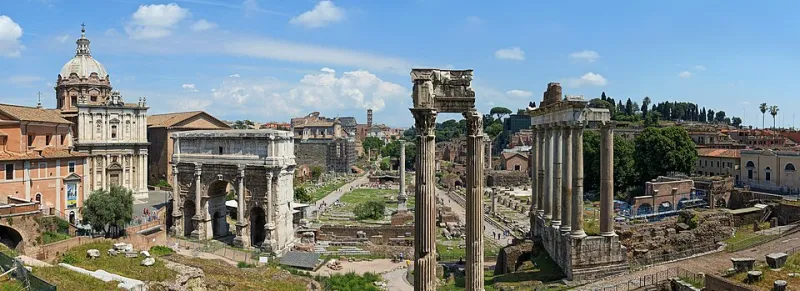
The collapse of the Roman Republic provides the clearest historical example of this mechanism. The crisis began not with slave revolts or barbarian invasions, but with the displacement of small farmers who had formed the backbone of Roman society. Veterans returning from extended military campaigns found their farms ruined and their economic position undermined by large slave-worked estates.
 Photo: Roman Republic, via i-mri.org
These displaced farmers weren't poor in absolute terms—they retained citizenship rights, military training, and social connections. But they had lost their status as independent property owners, the foundation of Roman middle-class identity. Their political response wasn't to demand better conditions for the poor, but to support strongmen like Marius and Sulla who promised to restore their former position through violence against the elite.
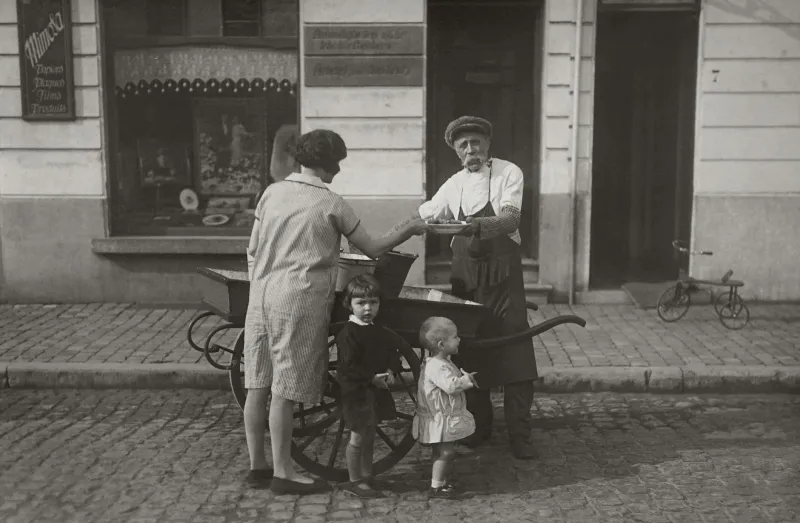
The psychological dynamic was identical to what would later emerge in Weimar Germany: a recently prosperous class experiencing sudden downward mobility while watching others prosper. The specific economic mechanisms differed, but the emotional experience—shame, resentment, and the desperate desire to recover lost status—remained constant.
 Photo: Weimar Germany, via media.karousell.com
The Weimar Paradigm
Germany's democratic collapse between 1929 and 1933 has become the textbook case precisely because it demonstrates how middle-class humiliation operates independently of absolute economic conditions. The Nazi Party's core support came not from Germany's poorest citizens but from small business owners, independent farmers, and lower-middle-class professionals who had lost their economic security during the hyperinflation of the early 1920s and the Depression of the early 1930s.
What made this group politically dangerous wasn't their poverty—millions of Germans were poorer—but their recent memory of prosperity combined with their ongoing exposure to symbols of elite success. They could see wealthy neighborhoods, read about stock market profits, and observe the lifestyle of international business leaders while simultaneously experiencing their own decline.
The Nazi message resonated not because it promised to help the poor, but because it promised to punish those responsible for middle-class decline while restoring Germany to its former greatness. This appeal to lost status, rather than material improvement, explains why economic recovery programs consistently failed to reduce Nazi support while nationalist rhetoric succeeded.
The Global Pattern
This same dynamic appears across different civilizations and historical periods with remarkable consistency. Turkey's transition from parliamentary democracy to authoritarian rule under Erdogan followed economic crises that destroyed middle-class savings while creating visible new wealth for connected elites. Venezuela's democratic breakdown occurred after oil price crashes eliminated middle-class prosperity while government corruption became increasingly obvious.
In each case, the crucial political constituency wasn't the permanently poor but the recently downwardly mobile—people who retained enough education and social connection to organize politically but had lost the economic security that defined their identity. These populations consistently support authoritarian movements that promise to restore their former status by punishing those they hold responsible for their decline.
The pattern explains why economic inequality alone doesn't predict democratic breakdown, but sudden increases in inequality combined with visible elite excess almost invariably do. Static inequality produces resignation; dynamic inequality produces rage.
The American Context
Contemporary American politics reflects this historical pattern with striking clarity. The political movements that have most successfully challenged democratic norms draw their support not from the poorest Americans but from middle-class populations experiencing economic displacement while observing continued elite prosperity.
Rust Belt communities that lost manufacturing jobs, small business owners struggling with corporate competition, and college-educated professionals facing credential inflation all share the psychological profile that history suggests is most susceptible to authoritarian appeals: recent downward mobility combined with exposure to elite success.
 Photo: Rust Belt, via image.tmdb.org
The specific policy preferences of these groups matter less than their emotional state. They don't primarily want programs to help the poor—they want punishment for those they believe caused their decline. This explains why economic populist policies consistently poll well while economic populist politicians struggle to build sustainable coalitions.
The Elite Blindness
Historical analysis reveals why political establishments consistently misread this dynamic until too late. Elite populations, by definition, don't experience downward mobility during economic transitions—they typically benefit from the same changes that harm middle-class populations. This creates a systematic blind spot in elite analysis of political risk.
Roman senators couldn't understand why displaced farmers supported obviously dangerous demagogues instead of sensible land reform proposals. Weimar politicians couldn't comprehend why middle-class Germans supported radical parties instead of moderate economic recovery programs. In each case, the elite assumption was that rational economic self-interest would produce support for democratic solutions.
The error lies in misunderstanding the psychology of humiliation. People experiencing status loss don't want rational solutions—they want emotional restoration. They don't seek policies that might gradually improve their condition—they seek leaders who validate their anger and promise immediate reversal of their decline.
The Predictable Progression
Once this psychological dynamic begins, it follows a remarkably consistent historical pattern. Initial middle-class resentment focuses on economic issues but quickly expands to cultural and ethnic grievances as leaders discover that broader scapegoating generates more political energy than narrow economic arguments.
The progression from economic humiliation to comprehensive authoritarianism operates on predictable timelines: typically 5-10 years from initial economic displacement to democratic breakdown. This suggests that the window for addressing the underlying causes closes relatively quickly once the psychological dynamic establishes itself.
Understanding this pattern doesn't provide easy solutions, but it does clarify the nature of the threat. Democratic institutions face their greatest danger not from external enemies or internal poverty, but from the predictable human response to sudden status loss. Five thousand years of data suggest this response hasn't changed, which means defending democracy requires addressing not just economic conditions but the psychological experience of economic change.