The Kingmaker's Bargain: How Every Power Broker Eventually Pays the Bill

The Kingmaker's Bargain: How Every Power Broker Eventually Pays the Bill
There is a particular species of political actor that recurs throughout recorded history with remarkable consistency: the architect of someone else's ascent. They appear in different costumes across different centuries — the Roman general who delivers the legions, the Florentine banker who extends the credit line, the party faction leader who delivers the delegates — but their essential position is always the same. They possess resources or relationships that a rising figure needs, they deploy those assets on that figure's behalf, and they expect, reasonably enough, that the investment will pay dividends after the victory.
They are almost always wrong.
The historical record on this point is not ambiguous. The power broker who installs a ruler has, in the act of installation, created the single most dangerous person in their world: someone who knows exactly how they came to power, who holds the receipts, and who has every incentive to ensure that knowledge never becomes public currency.
The Structural Logic of Betrayal
To understand why this pattern repeats so reliably, it helps to think about what the newly installed ruler actually faces on day one. Their legitimacy is fresh and therefore fragile. They have made promises to multiple competing factions. And somewhere in their court stands the kingmaker — the person whose support was indispensable and who therefore represents, from the ruler's perspective, a permanent advertisement of dependency.
Every time the kingmaker walks into a room, their very presence communicates something the ruler cannot afford to have communicated: this person made me. That implicit message is corrosive to authority. It invites others to calculate the kingmaker's ongoing leverage. It suggests the ruler can be unmade by the same mechanism that made them. And it means the kingmaker, simply by existing in proximity to power, is a structural threat — regardless of their actual intentions.
The ruler's solution, throughout five thousand years, has been depressingly uniform.
The Praetorian Problem
The Roman Praetorian Guard offers perhaps the most extensively documented version of this dynamic. Established by Augustus as an elite corps of bodyguards, the Guard gradually evolved into the empire's most reliable kingmaking institution. Between the reigns of Augustus and Diocletian, the Praetorians played decisive roles in the elevation — and termination — of more than a dozen emperors.
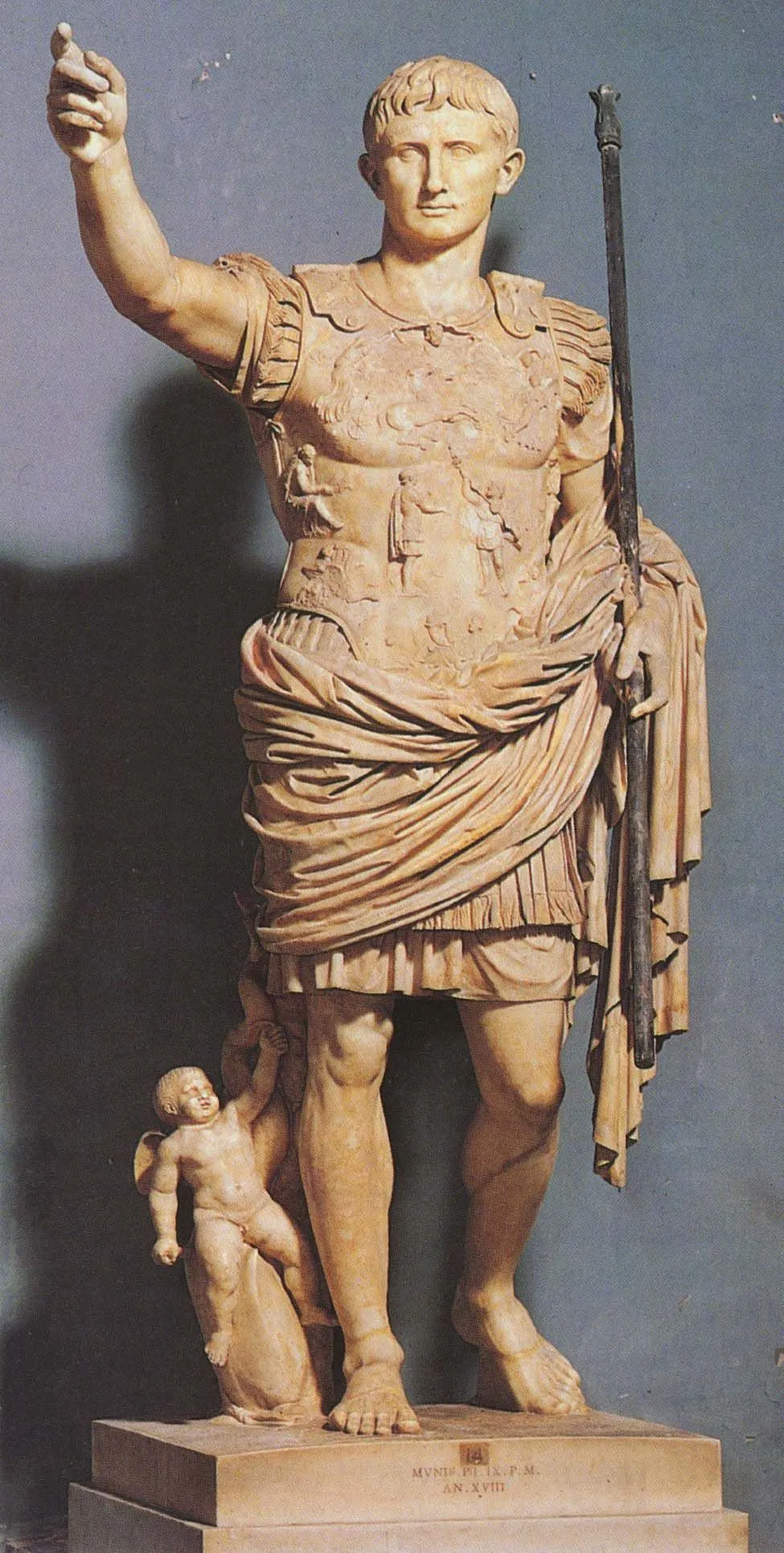 Photo: Augustus, via i.pinimg.com
The Guard's fatal miscalculation was consistently the same: they believed that the emperor's dependence on their military loyalty would translate into permanent leverage. What they discovered, repeatedly, was that newly installed emperors had a strong incentive to reform, replace, or simply massacre the Guard at the earliest opportunity. Septimius Severus disbanded the Praetorians entirely in 193 AD, immediately after using provincial legions to seize power. He understood, with the clarity of someone who had just benefited from institutional kingmaking, exactly what the institution was capable of doing to him.
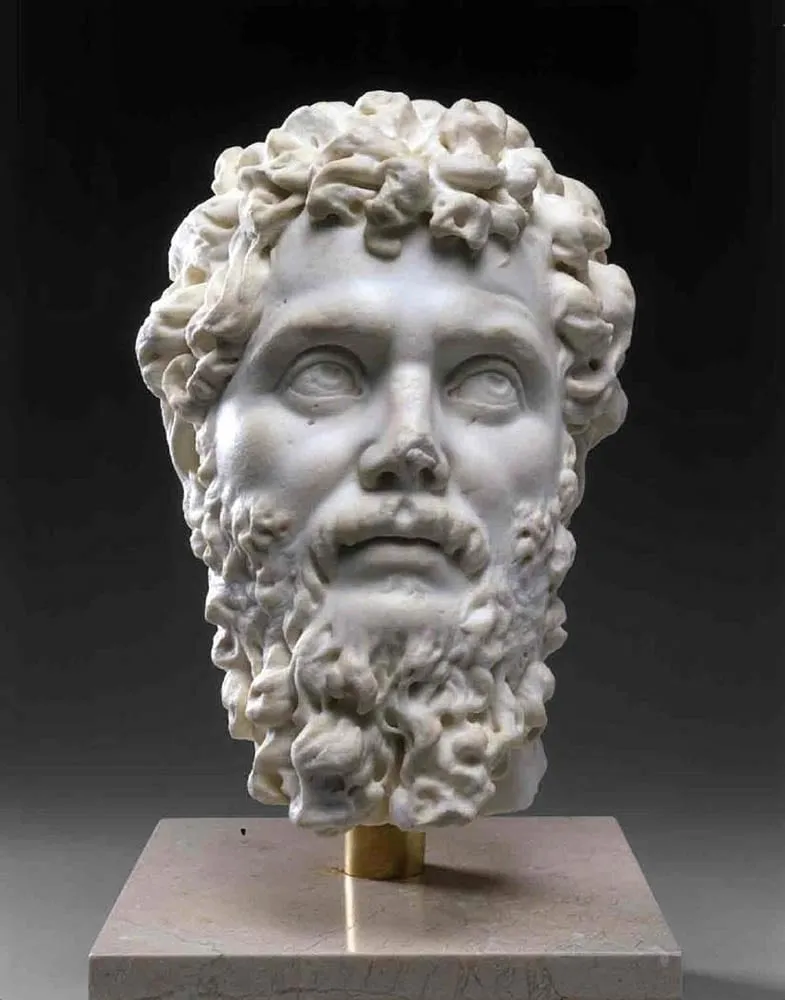 Photo: Septimius Severus, via cdn.thecollector.com
The Guard's repeated inability to learn from this pattern — they were eventually reconstituted and continued their political meddling for another century — is itself instructive. The kingmaker's position generates its own psychology: a persistent conviction that this time the relationship will be different, that this particular ruler will honor the debt.
The Medici Ledger
The Florentine banking houses of the fourteenth and fifteenth centuries provide a different but structurally identical case study. The Medici family's political ascent was inseparable from their role as financiers to popes, kings, and city councils across Europe. Credit was their instrument of influence, and for several generations it worked extraordinarily well.
But the Medici also discovered that rulers who owe money have a powerful incentive to renegotiate the terms — permanently. Edward III of England's serial defaults in the 1340s destroyed the Bardi and Peruzzi banking houses, which had financed his military campaigns under the reasonable assumption that a king's debt was a king's obligation. The assumption was wrong. The king's debt was, it turned out, whatever the king decided it was.
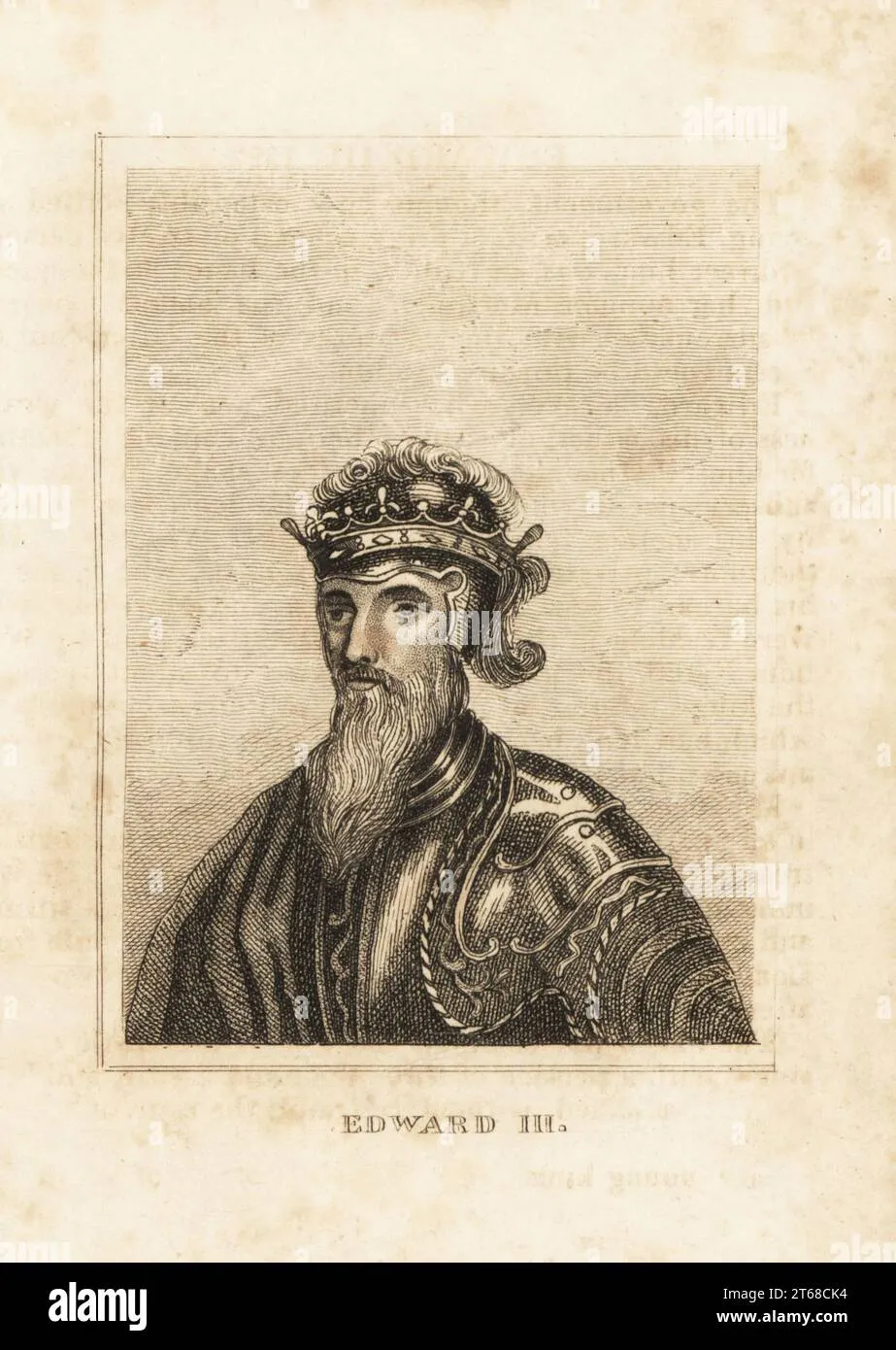 Photo: Edward III, via c8.alamy.com
The Medici themselves, once they transitioned from bankers to rulers of Florence, became intensely suspicious of any financial relationship that might replicate the leverage they had once exercised over others. They understood the game because they had played it from the other side.
The American Donor Class and the Memory of History
Contemporary American politics has not escaped this pattern, though it operates through mechanisms that are legally and socially distinct from Roman legions or Renaissance credit lines. The major donor — the individual or network that provides the financial infrastructure for a political campaign — occupies a position structurally analogous to the historical kingmaker. The resources are different. The dynamic is the same.
American political history offers repeated examples of donors and early supporters who discover that their relationship with a successful candidate does not translate into the ongoing access or influence they anticipated. The successful politician, once in office, faces the same structural pressure as every ruler before them: the visible debt to a specific patron is a liability, not an asset. Distance is the rational response.
This is not a story about ingratitude, though it is often narrated that way by the disappointed party. It is a story about incentives. The ruler who visibly owes someone is a weaker ruler. The calculation is ancient and it does not change because the setting is a Senate office rather than a Roman court.
What the Kingmaker Never Learns
The most striking feature of this five-thousand-year pattern is not that power brokers are betrayed. It is that they keep being surprised by it. The historical record suggests that the kingmaker's position generates a particular cognitive distortion: an overestimation of the durability of obligation and an underestimation of the ruler's incentive to rewrite the terms of the relationship once the relationship has served its purpose.
This distortion is not stupidity. Many of history's kingmakers were sophisticated political actors by any measure. It reflects something more fundamental about how human beings assess relationships in which they have made significant investments. The greater the investment, the more resistant the investor is to evidence that the investment will not pay.
The Roman Guard kept making emperors. The Renaissance bankers kept extending credit to sovereigns. The pattern persists because the kingmaker's position is genuinely powerful — right up until the moment it isn't.
The lesson that five thousand years of data consistently offers is simple: the hand that places the crown is never safe from the head that wears it. The only recorded exceptions are kingmakers who understood this in advance and structured their position accordingly — maintaining independent power bases, building coalitions that did not depend on the ruler's goodwill, or exiting the relationship before the ruler found it convenient to force the issue.
In other words, the only kingmakers who survived were the ones who never fully trusted the kings they made.
History rarely offers more consistent advice than that.