The Inner Circle's Expiration Date: How Power Always Devours Its Architects
The Revolutionary's Final Act
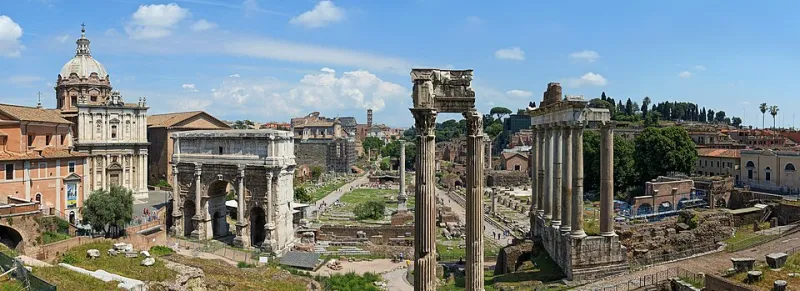
In 49 BCE, Julius Caesar crossed the Rubicon with a coalition of ambitious generals, disaffected senators, and populist tribunes who believed they were building a new Rome. Within fifteen years, most of them were dead—not from foreign enemies, but from the very system they had helped create. Caesar himself fell to daggers wielded by men who had once called him ally. His heir, Augustus, would complete the pattern by systematically eliminating every remaining member of the original coalition, transforming a revolutionary movement into a stable autocracy by removing everyone who remembered when things were different.
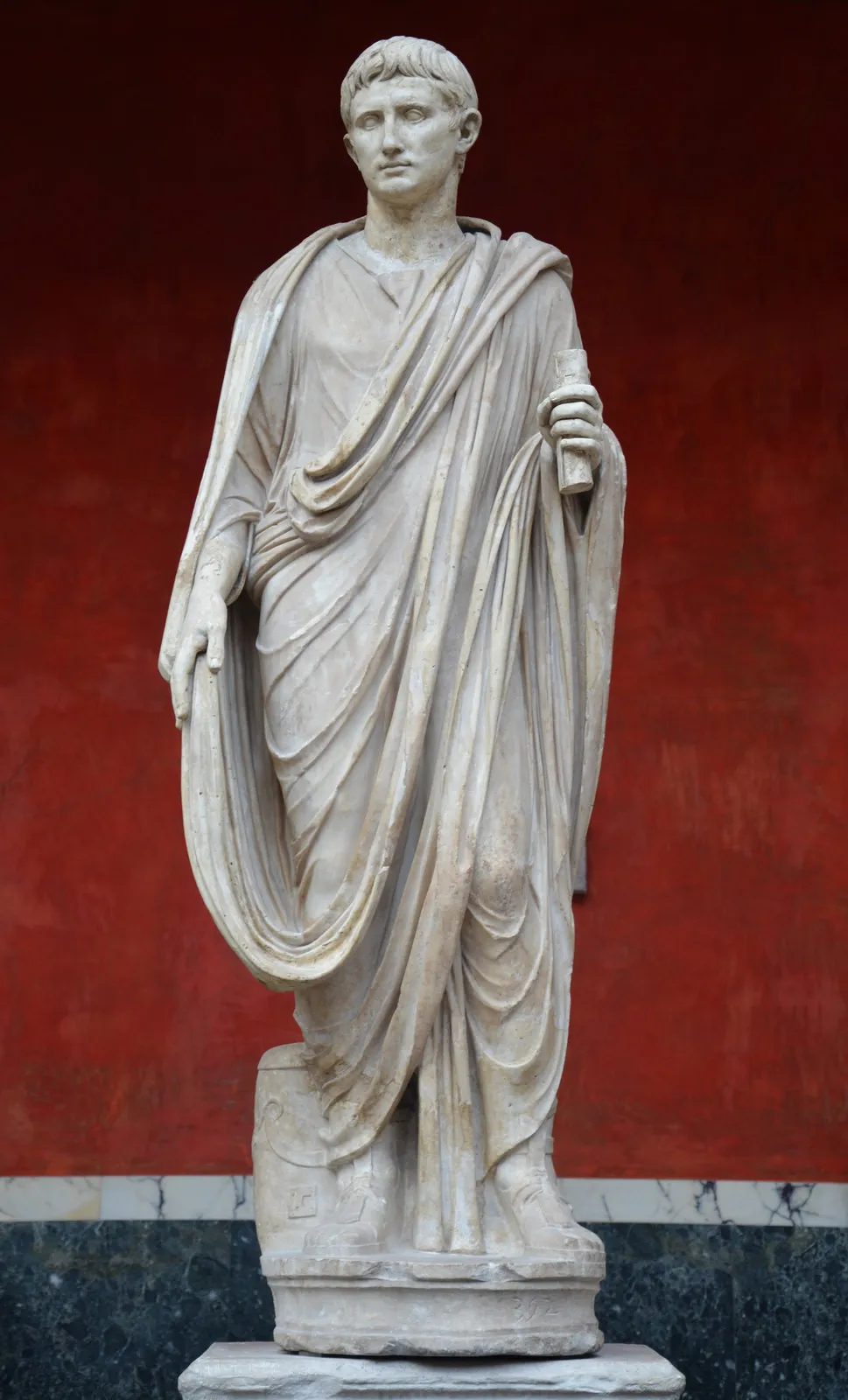 Photo: Augustus, via www.worldhistory.org
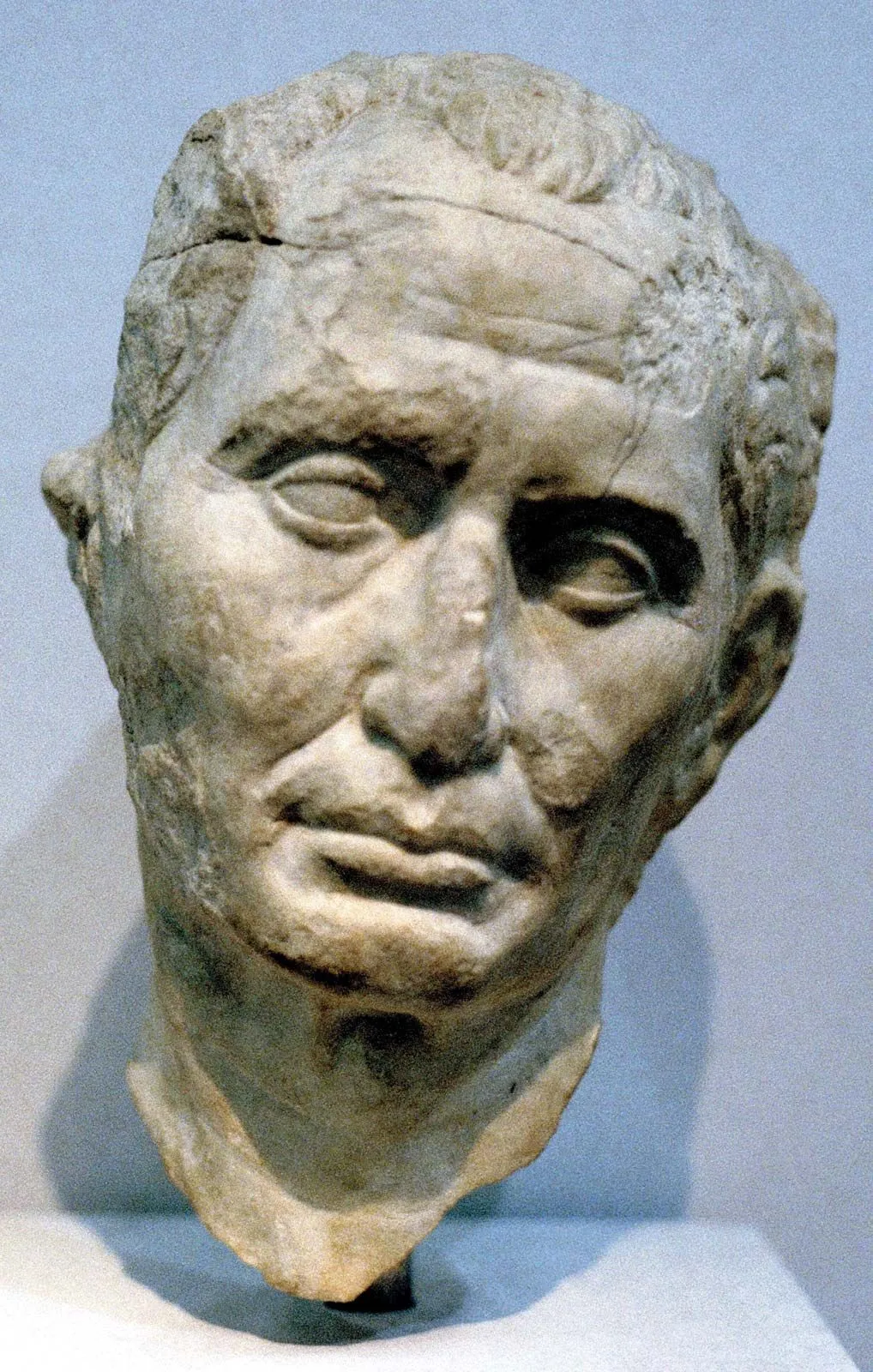 Photo: Julius Caesar, via cdn.britannica.com
This is not a Roman story. It is the human story, repeated with mechanical precision across five millennia of recorded history. The loyalty purge is not an accident of paranoid leadership but a technology of power consolidation, as predictable as sunrise and as necessary as breathing for any regime that seeks to transform temporary authority into permanent control.
Why Builders Must Die
The logic is brutal but inescapable. Revolutionary coalitions are built on shared grievances, temporary alliances, and the promise that everyone will benefit once the old system falls. But stable autocracy requires something entirely different: a hierarchy where loyalty flows upward without question, where yesterday's equals accept today's subordination, and where the possibility of another revolution becomes literally unthinkable.
The problem is that the people who helped you seize power know three dangerous things: they know you're not divinely appointed, they know the system can be changed because they changed it, and they know where the bodies are buried because they helped dig the graves. Every successful revolutionary carries the seed of the next revolution in their memory.
Consider Stalin's systematic destruction of the Old Bolsheviks between 1936 and 1938. These were not foreign agents or class enemies—they were Lenin's inner circle, the men and women who had risked everything to bring down the Tsar and establish Soviet power. Bukharin, Kamenev, Zinoviev, and hundreds of others found themselves confessing to impossible crimes in show trials that became a masterclass in political theater. Stalin understood what modern observers often miss: you cannot build a stable autocracy on top of a revolutionary foundation without first destroying everyone who remembers the revolution.
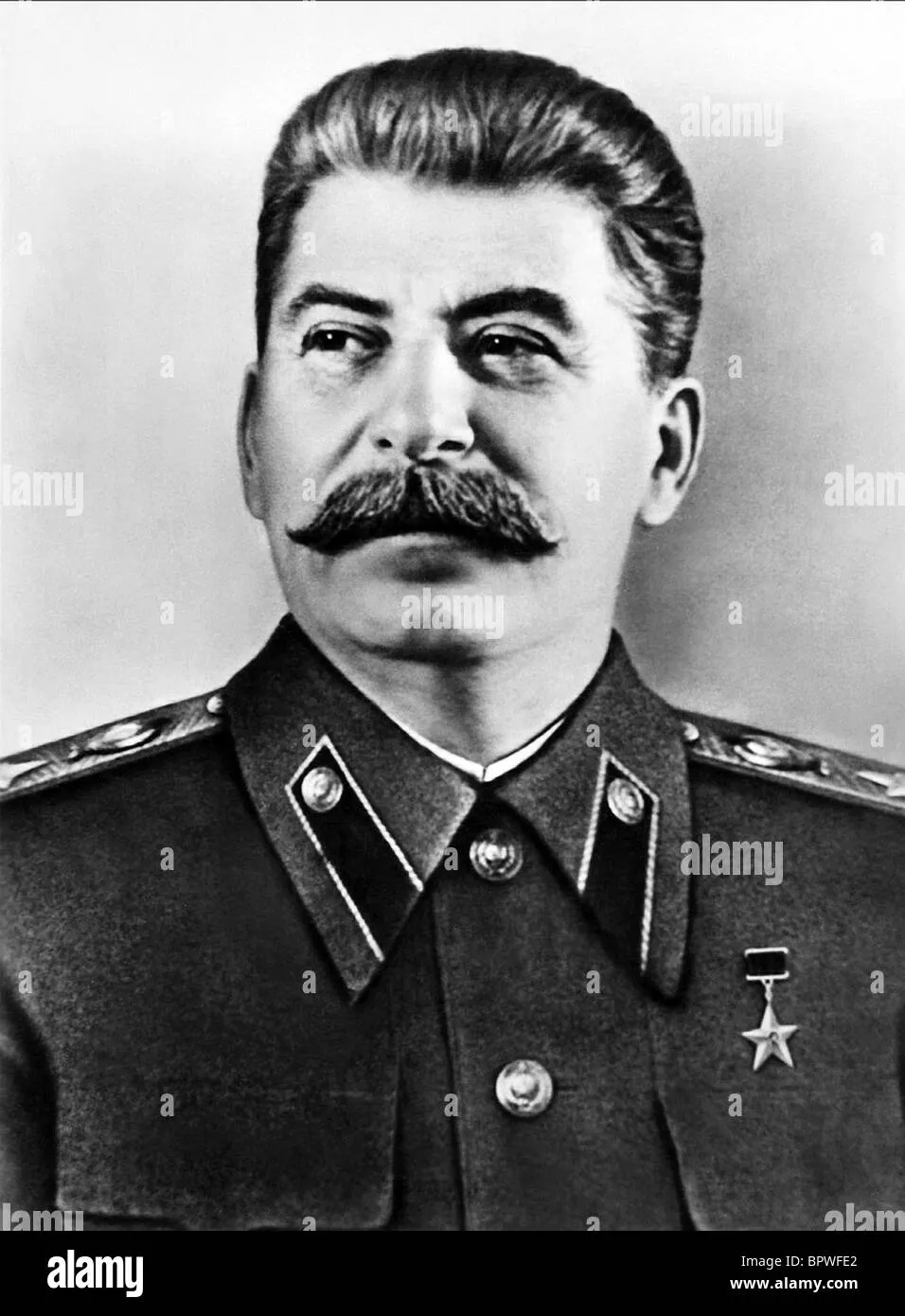 Photo: Stalin, via c8.alamy.com
The Institutional Memory Problem
The deeper issue is institutional memory. Revolutionary coalitions are held together by shared experiences of risk, sacrifice, and mutual dependence. These bonds create a culture of equality among the inner circle—everyone who survived the dangerous early days earns the right to speak truth to power, to remind the leader of past promises, to invoke the original mission when convenient.
But stable authority cannot tolerate this culture of equality. It requires what political scientists call "preference falsification"—the systematic suppression of private beliefs in favor of public conformity. The old revolutionaries, with their memories of when the leader was just another conspirator around the table, represent a standing threat to this psychological transformation.
Mao understood this perfectly during the Cultural Revolution. The target was not capitalism or Western influence but the Communist Party apparatus itself—the very people who had won the civil war and established the People's Republic. Liu Shaoqi, once Mao's designated successor, died in prison. Deng Xiaoping was purged twice. The message was clear: revolutionary credentials were not a shield but a target.
The American Exception That Proves the Rule
The American Revolution presents a fascinating counterexample that actually reinforces the pattern. The Founding Fathers managed to avoid the loyalty purge not because they were uniquely virtuous, but because they built a system specifically designed to prevent any one leader from accumulating enough power to execute one.
The separation of powers, the federal system, the Bill of Rights—these were not abstract philosophical commitments but concrete institutional barriers to autocratic consolidation. Washington's voluntary retirement after two terms was not just personal virtue but structural necessity: he lacked the institutional tools to eliminate his rivals even if he had wanted to.
Yet even America has witnessed loyalty purges at the subcultural level. Every successful political movement eventually turns on its founders. The Tea Party devoured the Republican establishment that initially embraced it. Progressive movements regularly exile their founding voices for insufficient ideological purity. The pattern scales down as reliably as it scales up.
The Modern Relevance
Today's political entrepreneurs would do well to study this history. In corporate boardrooms, startup founding teams, and political campaigns, the same dynamics play out with deadening regularity. The scrappy coalition that builds the organization becomes a liability once the organization needs to scale, professionalize, and establish predictable hierarchies.
Silicon Valley is littered with founders who were pushed out of their own companies once those companies became successful enough to require "adult supervision." The venture capitalists and professional managers who enable this transition understand something the founders often don't: building a company and running a company are different skills, requiring different people, with different loyalties.
The Survivor's Paradox
The cruelest irony is that loyalty purges often target the most loyal supporters—not despite their loyalty, but because of it. The true believer who sacrificed everything for the cause represents both the greatest threat and the greatest prize. Their elimination sends an unmistakable message to everyone else: if we can destroy the most loyal, imagine what we can do to you.
This is why smart revolutionaries have always understood that the revolution's success might require their own destruction. The question is not whether you will be purged, but whether you will be purged before or after the system you helped build achieves stability. History suggests that if you helped design the machine, you should not expect to survive its operation.
The pattern is five thousand years old and shows no signs of breaking. Power consolidation remains humanity's most reliable algorithm, and the loyalty purge remains its most essential subroutine. The only variable is timing—and whether you're smart enough to see it coming.